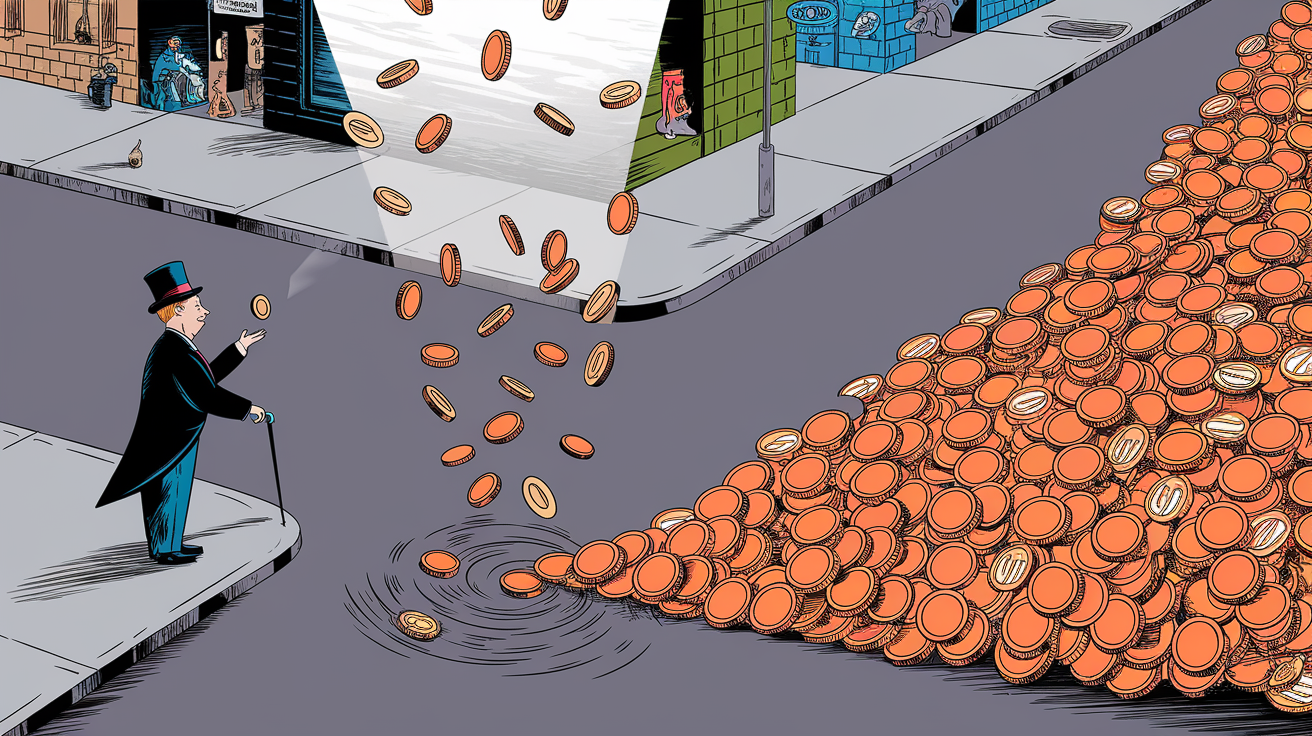
What is Applied Economics?
Explore applied economics, its practical uses, and how it helps solve real-world financial and policy challenges effectively.

Introduction to Applied Economics
Applied economics is the branch of economics that focuses on using economic theories and principles to address practical issues in the real world. It bridges the gap between abstract economic concepts and everyday decision-making in business, government, and society.
Understanding applied economics helps you see how economic tools can guide policies, improve markets, and solve problems like unemployment, inflation, and resource allocation. This article will explain what applied economics is, its key areas, and why it matters to you.
What Does Applied Economics Mean?
Applied economics takes the theories developed in economic research and applies them to analyze real-life situations. Instead of just studying models, it focuses on practical outcomes and solutions.
It involves using data and statistical methods to test economic hypotheses.
It helps forecast economic trends and evaluate policy impacts.
It is used in various fields like finance, labor markets, health, and environmental economics.
By applying economic reasoning to actual problems, applied economics helps organizations and governments make informed decisions.
Key Areas of Applied Economics
Applied economics covers many specialized fields. Here are some important ones:
- Labor Economics:
Studies employment, wages, and workforce dynamics to improve job markets.
- Health Economics:
Analyzes healthcare systems and policies to optimize costs and outcomes.
- Environmental Economics:
Examines natural resource use and environmental policies for sustainable growth.
- Financial Economics:
Applies economic principles to financial markets and investment decisions.
- Development Economics:
Focuses on improving economic conditions in developing countries.
Each area uses applied economics to solve specific challenges with practical tools.
How Applied Economics Works in Practice
Applied economists use various methods to analyze data and inform decisions:
- Statistical Analysis:
Using econometrics to test theories against real data.
- Cost-Benefit Analysis:
Weighing the pros and cons of policies or projects.
- Economic Modeling:
Creating models to simulate outcomes under different scenarios.
- Field Experiments:
Testing interventions in real-world settings.
These approaches help translate economic theory into actionable insights for businesses and policymakers.
Why Applied Economics Matters to You
Applied economics impacts many aspects of daily life and decision-making:
It helps governments design better tax and welfare policies.
Businesses use it to forecast demand and set prices.
It guides investment choices and risk management.
It informs public health strategies and environmental regulations.
By understanding applied economics, you can better appreciate how economic decisions shape your world and your financial future.
Challenges in Applied Economics
While applied economics is powerful, it faces some challenges:
Data limitations can affect the accuracy of analysis.
Economic models may oversimplify complex realities.
Policy recommendations might face political or social resistance.
Uncertainty in forecasting economic behavior remains a hurdle.
Despite these challenges, applied economics remains essential for evidence-based decision-making.
Conclusion
Applied economics turns economic theory into practical tools to solve real-world problems. It spans many fields and uses data-driven methods to guide decisions in business, government, and society.
By learning about applied economics, you gain insight into how economic principles influence policies, markets, and your everyday life. This knowledge empowers you to make smarter financial and investment choices.
What is the difference between applied economics and theoretical economics?
Theoretical economics focuses on developing abstract models and principles, while applied economics uses those theories to analyze and solve real-world problems.
How do applied economists use data?
They use statistical tools and econometrics to test hypotheses, forecast trends, and evaluate the impact of policies or business strategies.
Can applied economics help improve public policy?
Yes, it provides evidence-based insights that help design effective tax, healthcare, labor, and environmental policies.
What skills are important for a career in applied economics?
Strong analytical abilities, knowledge of statistics, economic theory, and proficiency with data analysis software are key skills.
Is applied economics relevant to personal finance?
Absolutely. It helps individuals understand market trends, investment risks, and economic factors that affect personal financial decisions.