What is Unemployment in Macroeconomics?
Understand unemployment in macroeconomics, its types, causes, and impact on the economy with clear, practical insights for better financial decisions.
Introduction
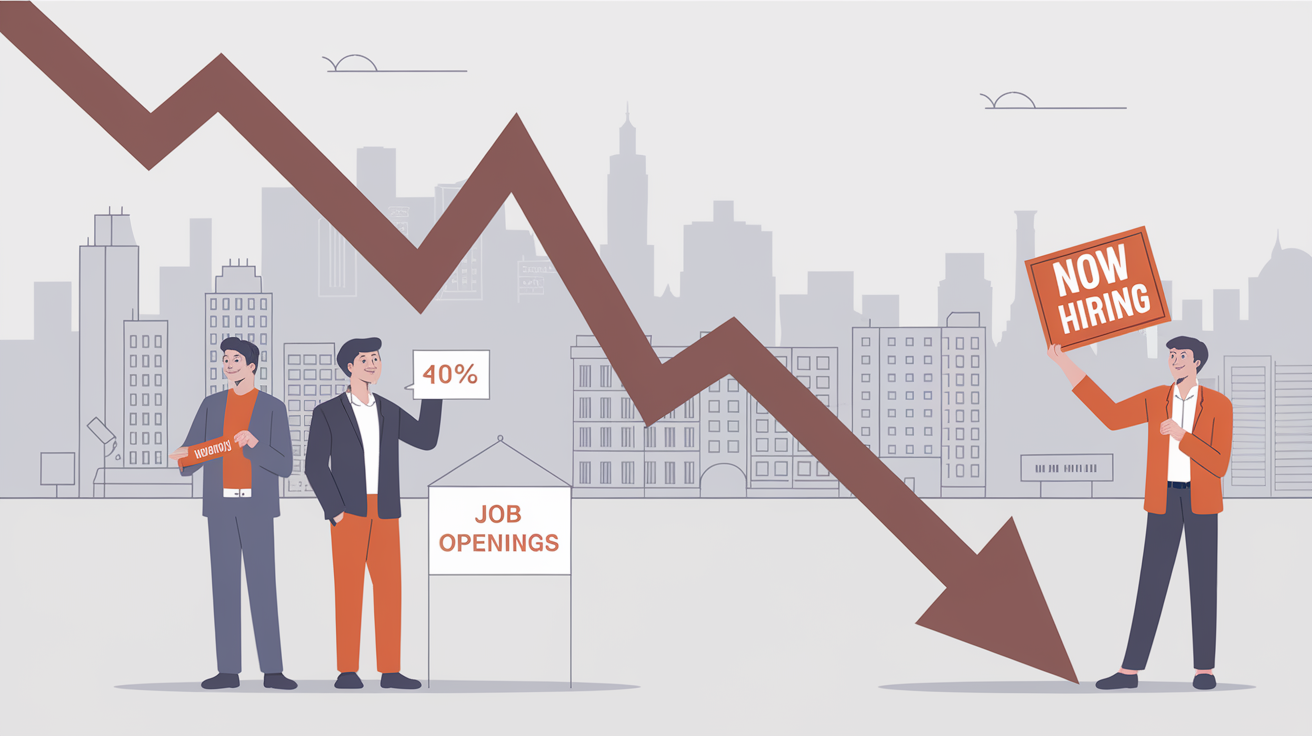
Unemployment is a key concept in macroeconomics that affects the overall health of an economy. When people who want to work cannot find jobs, it impacts not just individuals but also businesses and governments.
In this article, we will explore what unemployment means in macroeconomics, its different types, causes, and how it influences economic growth and policy decisions. Understanding this helps you grasp bigger economic trends and make smarter financial choices.
What is Unemployment in Macroeconomics?
Unemployment refers to the situation where people who are actively seeking work are unable to find jobs. It is measured as a percentage of the labor force, which includes all people who are working or looking for work.
In macroeconomics, unemployment is a critical indicator of economic performance. High unemployment suggests that an economy is underperforming, while very low unemployment might indicate a tight labor market with rising wages and inflation pressures.
Types of Unemployment
Unemployment is not a single concept; it has several types, each with different causes and implications.
- Frictional Unemployment:
This happens when people are temporarily between jobs or entering the workforce for the first time. It’s a natural part of a dynamic economy.
- Structural Unemployment:
Occurs when there is a mismatch between workers’ skills and job requirements. Changes in technology or industry decline often cause this.
- Cyclical Unemployment:
Linked to the economic cycle, it rises during recessions and falls during expansions. It reflects a lack of demand for goods and services.
- Seasonal Unemployment:
Happens when jobs are only available during certain times of the year, such as agriculture or tourism.
Causes of Unemployment
Several factors contribute to unemployment in an economy. Understanding these helps explain why unemployment rates fluctuate.
- Economic Downturns:
During recessions, businesses cut back on hiring or lay off workers due to lower demand.
- Technological Change:
Automation and new technologies can replace certain jobs, leading to structural unemployment.
- Labor Market Policies:
Minimum wage laws, union activities, and employment protections can affect hiring decisions.
- Globalization:
Outsourcing and competition from abroad can reduce jobs in some sectors.
- Skills Gap:
When workers lack the skills needed for available jobs, unemployment rises.
How Unemployment Affects the Economy
Unemployment has wide-ranging effects on economic growth and social well-being.
- Reduced Income and Spending:
Unemployed individuals have less income, lowering overall consumer spending and slowing economic growth.
- Government Spending:
Higher unemployment increases demand for social benefits and unemployment insurance, straining public finances.
- Lost Productivity:
When people are out of work, the economy produces less than its potential output.
- Social Impact:
Long-term unemployment can lead to poverty, mental health issues, and social unrest.
Measuring Unemployment
Economists use several methods to measure unemployment accurately.
- Unemployment Rate:
The most common measure, it shows the percentage of the labor force that is unemployed.
- Labor Force Participation Rate:
Shows the percentage of working-age people who are employed or actively looking for work.
- Underemployment:
Measures people working part-time or in jobs below their skill level but wanting full-time work.
Government Policies to Reduce Unemployment
Governments use various tools to lower unemployment and support workers.
- Monetary Policy:
Central banks may lower interest rates to encourage borrowing and investment, boosting job creation.
- Fiscal Policy:
Increased government spending on infrastructure or services can create jobs directly.
- Training and Education:
Programs to improve workers’ skills help reduce structural unemployment.
- Labor Market Reforms:
Making hiring and firing easier can encourage businesses to employ more people.
Conclusion
Unemployment in macroeconomics is a vital measure of an economy’s health. It reflects how well an economy uses its labor resources and affects growth, income, and social stability.
By understanding the types, causes, and effects of unemployment, you can better appreciate economic news and policies. This knowledge also helps you plan your career and investments with a clearer view of the economic environment.
What is the difference between frictional and structural unemployment?
Frictional unemployment is short-term and happens when people switch jobs or enter the workforce. Structural unemployment is longer-term, caused by a mismatch between workers’ skills and job requirements.
How does cyclical unemployment relate to the economy?
Cyclical unemployment rises during economic downturns when demand falls and businesses reduce hiring. It decreases during economic growth phases as demand and jobs increase.
Why is the unemployment rate important?
The unemployment rate shows how many people in the labor force are jobless and actively seeking work. It helps gauge economic health and guides policy decisions.
Can unemployment affect inflation?
Yes, low unemployment can lead to higher wages and inflation as employers compete for workers. High unemployment usually keeps inflation low due to weaker demand.
What role do government policies play in reducing unemployment?
Governments use monetary and fiscal policies, training programs, and labor market reforms to stimulate job creation and help workers find suitable employment.