What is Price Ceiling in Microeconomics?
Learn what a price ceiling is in microeconomics, how it affects markets, and its impact on consumers and producers.
Introduction
Understanding price controls is key to grasping how markets function. One common control is the price ceiling, which limits how high prices can go. If you want to know how price ceilings affect supply and demand, you’re in the right place.
We’ll explore what a price ceiling means in microeconomics, why governments use it, and the effects it has on consumers and producers. This knowledge helps you see real-world examples clearly.
What is a Price Ceiling?
A price ceiling is a legal maximum price set by the government on a product or service. It prevents sellers from charging more than this limit. The goal is usually to keep essential goods affordable for consumers.
For example, rent control is a common price ceiling where landlords cannot charge rent above a set amount. This helps tenants afford housing in expensive cities.
Price ceiling is binding only if set below the market equilibrium price.
It creates a maximum price sellers can legally charge.
It aims to protect consumers from high prices.
How Does a Price Ceiling Affect the Market?
When a price ceiling is below the natural market price, it changes how supply and demand interact. This can lead to shortages because sellers may not want to supply as much at the lower price.
Here’s what happens:
- Demand increases:
Lower prices encourage more buyers.
- Supply decreases:
Sellers produce less because profits shrink.
- Shortages form:
Demand exceeds supply, causing scarcity.
These shortages can lead to long wait times, black markets, or reduced quality as sellers try to cut costs.
Why Do Governments Implement Price Ceilings?
Governments use price ceilings to protect consumers, especially for essential goods. Here are common reasons:
- Prevent price gouging:
During emergencies, prices can spike. Ceilings keep goods affordable.
- Ensure affordability:
For housing, food, or medicine, ceilings help low-income groups.
- Control inflation:
Price ceilings can slow down rapid price increases.
However, these controls must be balanced carefully to avoid negative market effects.
Examples of Price Ceilings in Real Life
Price ceilings appear in many markets worldwide. Some examples include:
- Rent control:
Cities like New York and Berlin limit rent increases to keep housing affordable.
- Gasoline price caps:
Some countries cap fuel prices to protect consumers from volatility.
- Essential medicines:
Governments may cap prices on life-saving drugs to improve access.
Each example shows how price ceilings aim to serve public interest but can also create challenges.
Potential Drawbacks of Price Ceilings
While price ceilings help consumers, they can cause problems if not managed well. Some drawbacks include:
- Shortages:
Less supply leads to unmet demand.
- Black markets:
Illegal sales at higher prices may emerge.
- Reduced quality:
Sellers may cut corners to lower costs.
- Reduced investment:
Producers might avoid investing if profits are limited.
These effects show why price ceilings must be carefully designed and monitored.
How to Analyze Price Ceilings in Microeconomics
To understand price ceilings, economists look at supply and demand curves. Here’s a simple approach:
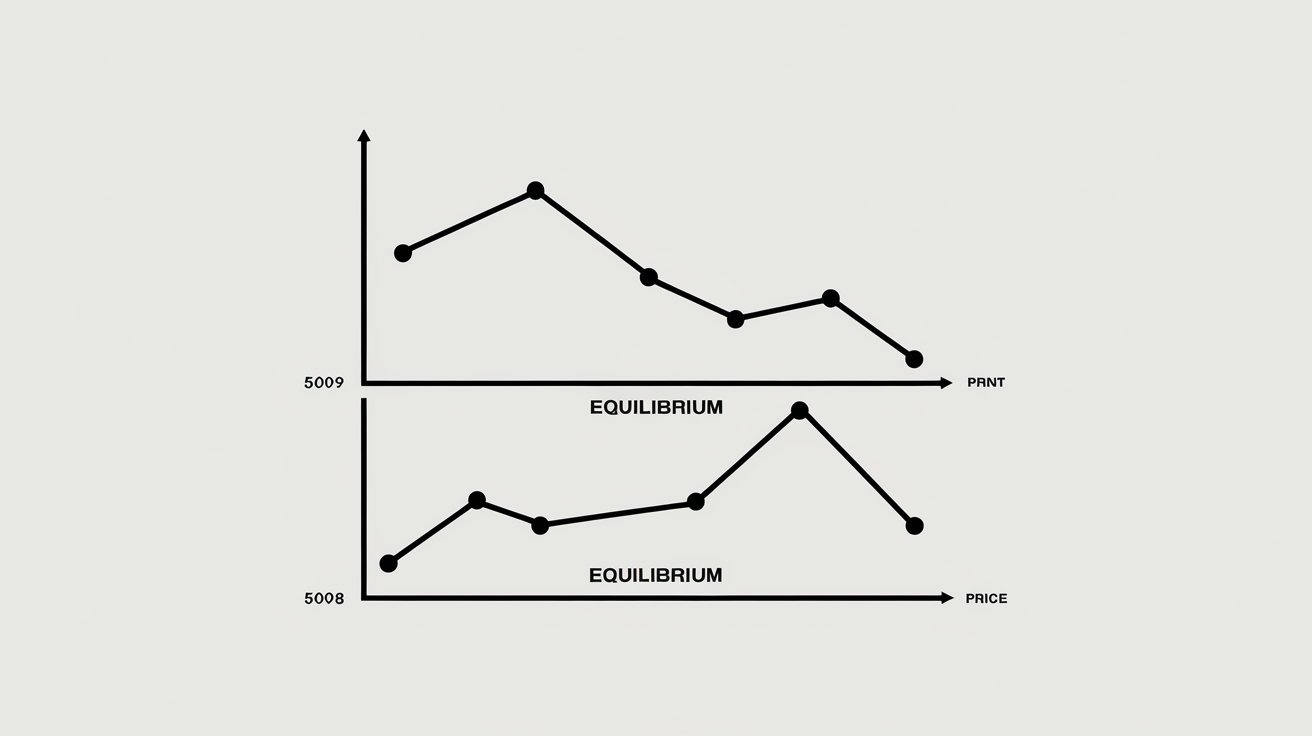
Identify the market equilibrium price where supply equals demand.
Check if the price ceiling is below this equilibrium.
Analyze how quantity demanded and supplied change at the ceiling price.
Assess the size of the shortage and possible market responses.
This analysis helps predict the impact on consumers and producers.
Conclusion
Price ceilings are powerful tools in microeconomics that limit how high prices can go. They help keep essential goods affordable but can also create shortages and other market issues.
Understanding price ceilings allows you to see why governments use them and what effects they have on markets. With this knowledge, you can better interpret economic policies and their impact on daily life.
FAQs
What happens if a price ceiling is set above the market price?
If the price ceiling is above the equilibrium price, it is non-binding and has no effect on the market price or quantity.
Can price ceilings lead to black markets?
Yes, shortages caused by price ceilings can encourage illegal sales at higher prices outside official channels.
Why do price ceilings cause shortages?
Because the lower price increases demand but discourages supply, leading to demand exceeding supply.
Are price ceilings always bad for the economy?
Not always. They protect consumers but can cause inefficiencies if not carefully implemented.
How can governments reduce negative effects of price ceilings?
By combining ceilings with subsidies, increasing supply, or adjusting policies to balance market needs.