What Is a Free Trade Area in International Economics?
Explore what a Free Trade Area is in international economics, its benefits, and how it impacts global trade and economies.

Introduction to Free Trade Areas
When you hear about countries working together to boost trade, a Free Trade Area (FTA) often comes up. It’s a key concept in international economics that helps reduce barriers between nations. Understanding FTAs can help you see how global trade flows and why some regions grow faster economically.
In this article, we’ll break down what a Free Trade Area is, how it works, and why it matters for businesses and consumers worldwide. You’ll get clear insights to grasp this important trade model.
What Is a Free Trade Area?
A Free Trade Area is a group of countries that agree to remove tariffs, quotas, and other trade restrictions on goods and services between themselves. This means products can move more freely across borders within the area.
Unlike other trade agreements, FTAs do not require member countries to have the same trade policies with non-members. Each country keeps its own rules for outside nations.
Eliminates tariffs on most goods traded among members
Allows each country to set independent trade policies with non-members
Focuses on boosting trade and economic cooperation within the group
How Does a Free Trade Area Work?
FTAs work by creating a legal framework where member countries agree to reduce or eliminate customs duties and import quotas. This encourages businesses to trade more easily and at lower costs.
For example, if Country A and Country B are in an FTA, a company in Country A can export goods to Country B without paying tariffs. This often leads to increased trade volume and more competitive prices for consumers.
Members negotiate which products are tariff-free
Rules of origin ensure only goods produced within the FTA benefit from tariff removal
Customs procedures are simplified to speed up trade
Benefits of Free Trade Areas
Free Trade Areas offer several advantages for member countries and their citizens. They promote economic growth by making trade cheaper and easier.
- Increased Trade:
Removing tariffs encourages more imports and exports among members.
- Lower Prices:
Consumers benefit from cheaper goods due to reduced trade costs.
- Greater Variety:
Access to a wider range of products from member countries.
- Economic Growth:
Businesses expand, creating jobs and boosting GDP.
- Stronger Cooperation:
FTAs foster closer political and economic ties among countries.
Examples of Major Free Trade Areas
Several well-known FTAs shape global trade today. These agreements involve multiple countries working together to reduce trade barriers.
- North American Free Trade Agreement (NAFTA)/USMCA:
Between the United States, Canada, and Mexico, this FTA has boosted trade in North America.
- European Free Trade Association (EFTA):
Includes countries like Norway and Switzerland, focusing on free trade with the EU and beyond.
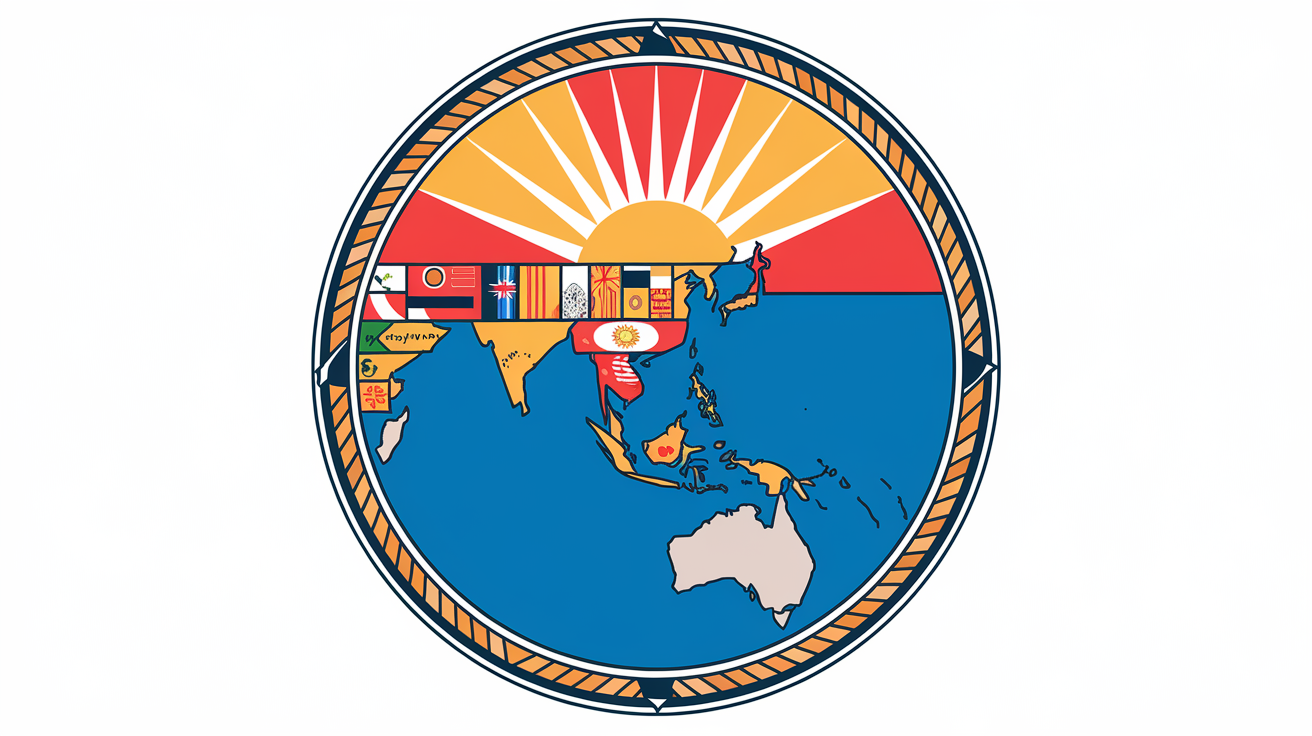
- ASEAN Free Trade Area (AFTA):
Promotes trade among Southeast Asian nations.
Free Trade Area vs. Other Trade Agreements
It’s important to know how FTAs differ from other trade models like Customs Unions or Common Markets.
- Customs Union:
Members remove tariffs among themselves and adopt a common external tariff for non-members.
- Common Market:
Goes beyond FTAs and Customs Unions by allowing free movement of labor and capital.
- Free Trade Area:
Only removes tariffs among members; each country has its own external trade policies.
Challenges and Criticisms of Free Trade Areas
While FTAs bring benefits, they also face challenges. Some critics argue they can create trade diversion, where trade shifts from more efficient global producers to less efficient regional ones.
Other issues include:
Complex rules of origin can increase compliance costs.
Smaller economies may struggle to compete with larger members.
Potential loss of tariff revenue for governments.
How Free Trade Areas Impact You
Whether you’re a consumer or a business owner, FTAs affect you. They can lower prices on imported goods and open new markets for companies.
For investors, understanding FTAs helps identify regions with growing trade opportunities. For workers, FTAs can create jobs but may also shift industries.
Conclusion
Free Trade Areas are vital tools in international economics that help countries trade more freely by removing tariffs between them. They encourage economic growth, lower prices, and expand product choices.
However, FTAs also come with challenges like trade diversion and complex regulations. Knowing how FTAs work helps you better understand global trade dynamics and their impact on economies and everyday life.
What is the main purpose of a Free Trade Area?
The main purpose is to eliminate tariffs and trade barriers among member countries to boost trade and economic cooperation.
How does a Free Trade Area differ from a Customs Union?
FTAs remove tariffs among members but allow independent external trade policies, while Customs Unions have a common external tariff for non-members.
Can countries in a Free Trade Area have different trade policies with non-members?
Yes, each member country maintains its own trade policies and tariffs with countries outside the Free Trade Area.
What are some examples of Free Trade Areas?
Examples include NAFTA/USMCA, European Free Trade Association (EFTA), and ASEAN Free Trade Area (AFTA).
What challenges do Free Trade Areas face?
Challenges include trade diversion, complex rules of origin, competition issues for smaller economies, and loss of tariff revenue.