What Is Economic Cycle? Understanding Its Phases & Impact
Understand the economic cycle, its phases, and how it impacts investments and financial planning for better wealth management.
Introduction
Understanding the economic cycle is crucial for anyone interested in finance and investing. The economic cycle, also known as the business cycle, explains how economies grow and contract over time. Knowing its phases helps you make smarter financial decisions and plan your investments wisely.
In this article, we’ll explore what the economic cycle is, its different stages, and how it affects markets and your personal finances. You’ll gain clear insights to better navigate economic ups and downs.
What Is the Economic Cycle?
The economic cycle refers to the natural rise and fall of economic activity over time. It shows how economies expand, peak, contract, and recover in a repeating pattern. These cycles impact employment, production, consumer spending, and investment returns.
Economists track the economic cycle to understand overall economic health. It helps governments and businesses make informed decisions about policies and strategies.
Measured by changes in GDP, employment rates, and industrial output
Typically lasts several years but varies in length and intensity
Reflects shifts in consumer confidence, business investment, and market demand
Phases of the Economic Cycle
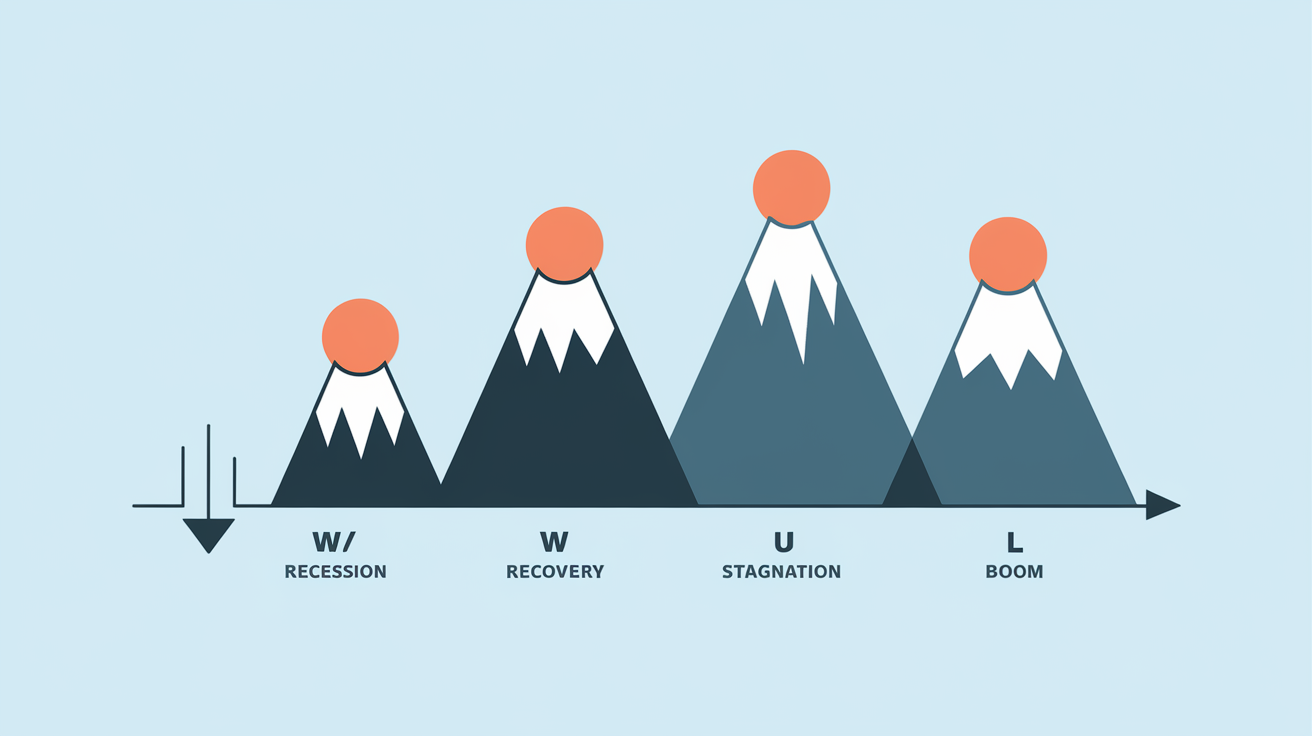
The economic cycle has four main phases. Each phase has distinct characteristics affecting the economy and financial markets.
1. Expansion
During expansion, the economy grows steadily. Businesses invest more, employment rises, and consumer spending increases. This phase often leads to higher corporate profits and stock market gains.
GDP growth accelerates
Unemployment rates fall
Consumer confidence and spending improve
2. Peak
The peak marks the highest point of economic activity before a downturn. Growth slows, and inflation pressures may rise. Markets often become volatile as investors anticipate changes.
GDP reaches its maximum
Inflation may increase due to high demand
Interest rates often rise to control inflation
3. Contraction (Recession)
In contraction, economic activity declines. Businesses cut back on production and investment. Unemployment rises, and consumer spending drops. This phase can lead to a recession if prolonged.
GDP shrinks
Unemployment increases
Consumer and business confidence weaken
4. Trough
The trough is the lowest point of the cycle, signaling the end of contraction. Economic activity stabilizes and begins to recover. This phase sets the stage for the next expansion.
GDP stops declining
Unemployment peaks but starts to improve
Market sentiment begins to turn positive
How the Economic Cycle Affects Investments
The economic cycle influences different asset classes in various ways. Understanding these effects can help you adjust your portfolio to manage risk and seize opportunities.
- Stocks:
Perform well during expansion but may decline during contraction.
- Bonds:
Often gain value during contractions as investors seek safety.
- Real Estate:
Tends to grow during expansions but can slow down in recessions.
- Commodities:
Prices may rise with inflation during peaks and fall during contractions.
By recognizing the current phase, you can diversify your investments and protect your wealth.
Why Understanding the Economic Cycle Matters for You
Knowing the economic cycle helps you plan your finances better. It guides decisions like when to save more, invest aggressively, or hold back. It also prepares you for potential job market changes and inflation impacts.
Adjust spending habits during downturns to maintain financial stability
Invest strategically to maximize returns during growth phases
Plan for long-term goals with awareness of economic fluctuations
Conclusion
The economic cycle is a powerful concept that shapes the financial world. By understanding its phases—expansion, peak, contraction, and trough—you can better anticipate changes in the economy and markets.
Using this knowledge, you can make smarter investment choices and manage your personal finances with confidence. Staying informed about the economic cycle empowers you to navigate both good times and challenges in your financial journey.
What is the economic cycle?
The economic cycle is the natural pattern of expansion and contraction in economic activity, measured by indicators like GDP and employment.
How long does an economic cycle last?
Economic cycles vary but typically last several years, with phases ranging from months to years depending on economic conditions.
What causes the economic cycle?
Factors include changes in consumer demand, business investment, government policies, and external shocks like global events.
Can the economic cycle be predicted?
While economists use data to forecast trends, exact timing and severity of cycles are difficult to predict with certainty.
How should I invest during different economic phases?
Invest more in stocks during expansions, consider bonds and safer assets during contractions, and diversify to manage risk throughout all phases.