What is Bilateral Trade in International Economics
Explore what bilateral trade means in international economics, its benefits, challenges, and how it shapes global economic relations.

Introduction to Bilateral Trade
Understanding bilateral trade is essential if you want to grasp how countries interact economically. Bilateral trade refers to the exchange of goods and services between two countries. It is a direct trade relationship that helps both nations benefit from each other's resources and markets.
In this article, we will explore what bilateral trade means, why countries engage in it, and the advantages and challenges it brings. This knowledge will help you better understand global economics and how trade agreements work.
What Exactly is Bilateral Trade?
Bilateral trade involves two countries agreeing to exchange goods or services directly. Unlike multilateral trade, which includes many countries, bilateral trade focuses on a one-to-one relationship. This trade can include anything from raw materials to manufactured products and services.
It often involves trade agreements that reduce tariffs and barriers.
Countries negotiate terms to benefit their own economies.
It can be more straightforward than multilateral trade due to fewer parties involved.
Why Do Countries Engage in Bilateral Trade?
Countries pursue bilateral trade to strengthen economic ties and improve market access. It allows nations to specialize in what they produce best and import what they lack. This specialization boosts efficiency and economic growth.
Access to new markets for exporters.
Lower tariffs and trade barriers through agreements.
Improved diplomatic relations and cooperation.
Enhanced competitiveness by sourcing cheaper or higher-quality inputs.
Benefits of Bilateral Trade
Bilateral trade offers several advantages that help countries grow economically and politically. Here are some key benefits:
- Economic Growth:
Increased trade volume can boost GDP and create jobs.
- Market Diversification:
Reduces dependence on a single market or product.
- Improved Efficiency:
Encourages countries to focus on industries where they have a comparative advantage.
- Political Stability:
Strong trade ties often lead to better diplomatic relations.
Challenges and Risks in Bilateral Trade
While bilateral trade has many benefits, it also comes with challenges. Understanding these can help you see the full picture of international trade.
- Trade Imbalances:
One country may export more than it imports, causing economic tension.
- Dependency Risks:
Overreliance on a single partner can be risky if political or economic issues arise.
- Negotiation Difficulties:
Achieving fair agreements can be complex and time-consuming.
- Limited Scope:
Bilateral trade does not cover the broader benefits of multilateral trade agreements.
Examples of Bilateral Trade Agreements
Many countries use bilateral trade agreements to formalize their trade relationships. Here are some well-known examples:
- United States-Mexico-Canada Agreement (USMCA):
A trilateral agreement with strong bilateral elements between the US and Mexico.
- China-Australia Free Trade Agreement:
Boosts trade and investment between the two nations.
- India-Mauritius Comprehensive Economic Cooperation and Partnership Agreement:
Facilitates trade and investment flows.
How Bilateral Trade Affects Global Economics
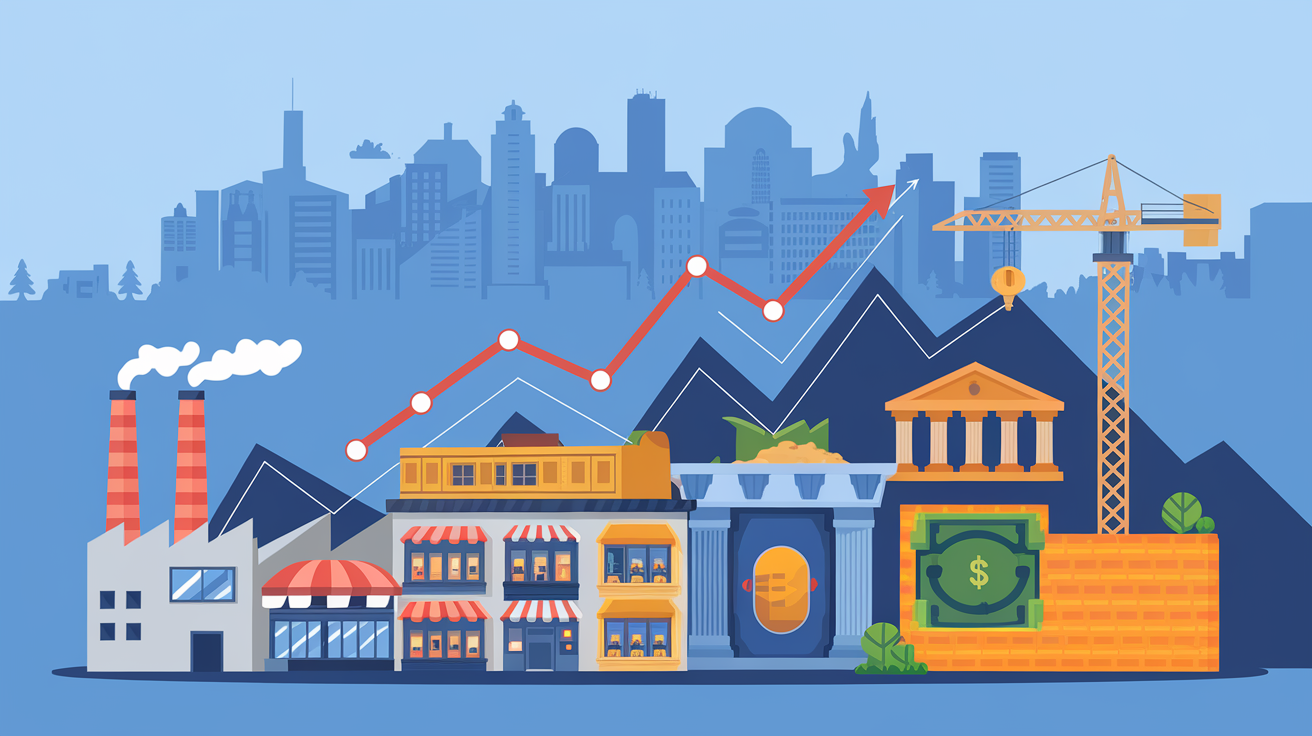
Bilateral trade shapes the global economy by creating networks of interdependence. It can influence global supply chains, pricing, and economic policies. Countries often use bilateral trade to strengthen their geopolitical influence.
Encourages regional economic integration.
Can lead to trade blocs and alliances.
Influences global commodity prices based on demand and supply.
Impacts currency exchange rates through trade flows.
Conclusion
Bilateral trade is a fundamental concept in international economics. It allows two countries to directly exchange goods and services, creating economic benefits and stronger diplomatic ties. While it offers advantages like economic growth and market access, it also carries risks such as trade imbalances and dependency.
By understanding bilateral trade, you can better appreciate how countries cooperate and compete in the global market. This knowledge helps you make informed decisions about investments, policies, and economic strategies.
What is the main difference between bilateral and multilateral trade?
Bilateral trade involves two countries exchanging goods or services directly, while multilateral trade includes multiple countries engaging in trade agreements simultaneously.
How do bilateral trade agreements benefit countries?
They reduce tariffs and trade barriers, improve market access, encourage specialization, and strengthen diplomatic relationships between the two countries.
Can bilateral trade lead to economic dependency?
Yes, if a country relies heavily on one trading partner, it risks economic disruption if that partner faces issues or changes trade policies.
What are common challenges in negotiating bilateral trade agreements?
Challenges include balancing interests, addressing trade imbalances, protecting sensitive industries, and ensuring fair terms for both parties.
How does bilateral trade impact global supply chains?
Bilateral trade creates direct links between countries, influencing supply chain efficiency, costs, and the availability of goods in global markets.