What Is Growth Recession in Macroeconomics?
Understand what a growth recession is in macroeconomics, its causes, effects, and how it differs from a typical recession.

Introduction to Growth Recession
When you hear the term 'recession,' you might imagine a sharp economic downturn. But have you ever come across the phrase 'growth recession'? It’s a less severe, yet important concept in macroeconomics that affects how economies perform.
In this article, we’ll explore what a growth recession means, how it differs from a traditional recession, and why understanding it can help you make smarter financial decisions.
What Is a Growth Recession?
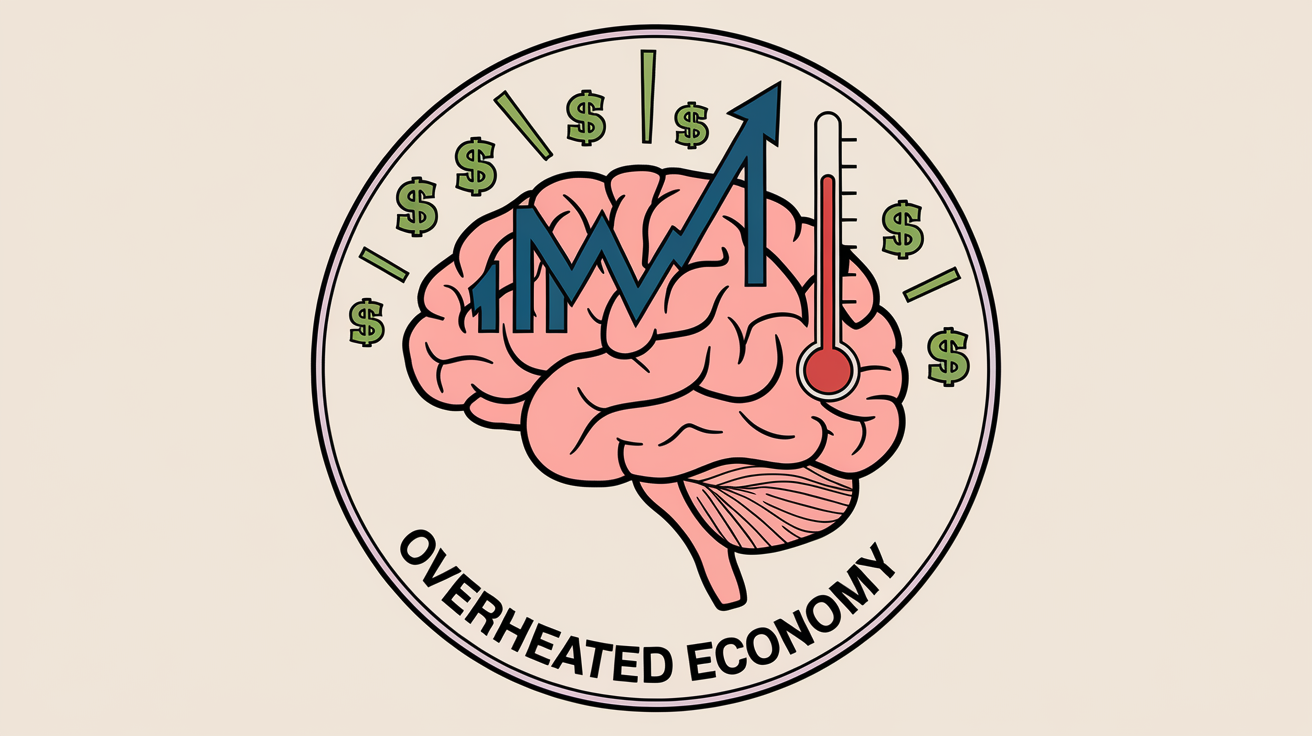
A growth recession occurs when an economy is still growing but at a slower pace than its long-term potential. In other words, the economy expands, but not enough to create enough jobs or improve living standards significantly.
This situation is different from a full recession, where the economy actually contracts, meaning total output declines.
Economic growth is positive but below the trend rate.
Unemployment may rise or remain high due to weak job creation.
Consumer and business confidence often weaken.
How Does Growth Recession Differ from a Traditional Recession?
Understanding the difference helps clarify economic reports and policy decisions.
- Traditional Recession:
Negative GDP growth for two or more consecutive quarters, widespread job losses, and declining consumer spending.
- Growth Recession:
Positive but slow GDP growth, often below 2%, with stagnant or rising unemployment.
While a traditional recession signals a shrinking economy, a growth recession indicates sluggish growth that fails to meet expectations or needs.
Causes of Growth Recession
Several factors can lead to a growth recession. These include:
- High Inflation:
Rising prices reduce consumer purchasing power, slowing demand.
- Tight Monetary Policy:
Central banks may raise interest rates to control inflation, which can slow borrowing and investment.
- Supply Chain Disruptions:
Problems in production or logistics can limit economic output.
- Global Economic Slowdown:
Weak demand from trading partners can reduce exports.
- Structural Changes:
Shifts in industries or labor markets that temporarily reduce growth.
Effects of a Growth Recession on the Economy
Even though the economy is growing, the slow pace can cause several challenges:
- Rising Unemployment:
Companies hesitate to hire, or may lay off workers.
- Lower Wage Growth:
With weak demand for labor, wages may stagnate.
- Reduced Consumer Spending:
People may cut back due to uncertainty or inflation.
- Business Caution:
Firms may delay investments or expansions.
These effects can create a cycle that keeps growth sluggish and delays economic recovery.
How Policymakers Respond to Growth Recession
Governments and central banks try to balance growth and inflation during a growth recession. Their responses may include:
- Monetary Policy Adjustments:
Central banks might pause or slow interest rate hikes to avoid choking growth.
- Fiscal Stimulus:
Governments can increase spending or cut taxes to boost demand.
- Targeted Support:
Programs to help affected industries or workers.
However, policymakers must be cautious to avoid triggering higher inflation or asset bubbles.
Examples of Growth Recession in History
Growth recessions have occurred in various countries and periods. For example:
- United States in the Early 1990s:
The economy grew slowly after the 1990–91 recession, with unemployment remaining high.
- Japan’s Lost Decade:
During the 1990s, Japan experienced very slow growth and persistent economic challenges.
These examples show how growth recessions can last for extended periods, affecting millions.
How Growth Recession Impacts Your Investments
Understanding growth recessions can help you make better investment choices:
- Stock Market Volatility:
Slower growth can lead to uncertain corporate earnings and stock price swings.
- Bond Market:
Interest rates may remain stable or fall if central banks ease policies.
- Sector Opportunities:
Defensive sectors like utilities or consumer staples may perform better.
- Diversification:
A balanced portfolio can reduce risk during uncertain growth periods.
How to Prepare Financially During a Growth Recession
Here are practical steps you can take:
- Build an Emergency Fund:
Cover at least 3–6 months of expenses.
- Review Debt:
Avoid high-interest debt and consider refinancing if possible.
- Focus on Stable Income:
Prioritize investments or jobs with steady returns.
- Stay Informed:
Monitor economic indicators and adjust your plans accordingly.
Conclusion
A growth recession is a unique economic phase where growth continues but at a frustratingly slow pace. It can lead to rising unemployment and cautious spending, which affects everyday life and investment decisions.
By understanding the causes and effects of a growth recession, you can better navigate your finances and investments. Staying prepared and informed helps you manage risks and seize opportunities, even when the economy isn’t booming.
What is the main difference between a growth recession and a traditional recession?
A growth recession involves slow but positive economic growth, while a traditional recession means the economy is shrinking with negative growth.
Can unemployment rise during a growth recession?
Yes, unemployment can increase or remain high because slow growth often means fewer new jobs are created.
How do central banks typically respond to a growth recession?
Central banks may slow or pause interest rate hikes to support growth without causing inflation to rise too much.
Is a growth recession harmful to investments?
It can cause volatility and slower returns, but defensive sectors and diversification can help protect your portfolio.
What steps can individuals take during a growth recession?
Building an emergency fund, managing debt, focusing on stable income, and staying informed are key strategies to prepare financially.