What is Supply in Microeconomics Explained
Understand supply in microeconomics, its determinants, law, and impact on markets with clear examples and practical insights.
Introduction to Supply in Microeconomics
When you think about markets, supply plays a key role in shaping prices and availability. Supply in microeconomics refers to how much of a good or service producers are willing and able to sell at different prices.
We’ll explore what supply means, the law of supply, factors influencing it, and how it affects market outcomes. This knowledge helps you understand everyday economic decisions better.
What Does Supply Mean?
Supply is the total quantity of a product that sellers want to sell at various price points during a specific time. It reflects producers’ willingness and ability to offer goods or services for sale.
Unlike demand, which focuses on buyers, supply focuses on sellers. It answers questions like: How many units will a farmer sell if the price of wheat rises? Or how many smartphones will a company produce if prices increase?
The Law of Supply
The law of supply states that, all else equal, an increase in price leads to an increase in quantity supplied. Producers want to supply more when prices rise because selling at higher prices means higher potential profits.
At higher prices, production becomes more profitable.
Suppliers are motivated to increase output.
At lower prices, suppliers reduce quantity supplied.
This positive relationship between price and quantity supplied is fundamental in microeconomics.
Supply Curve and Its Shape
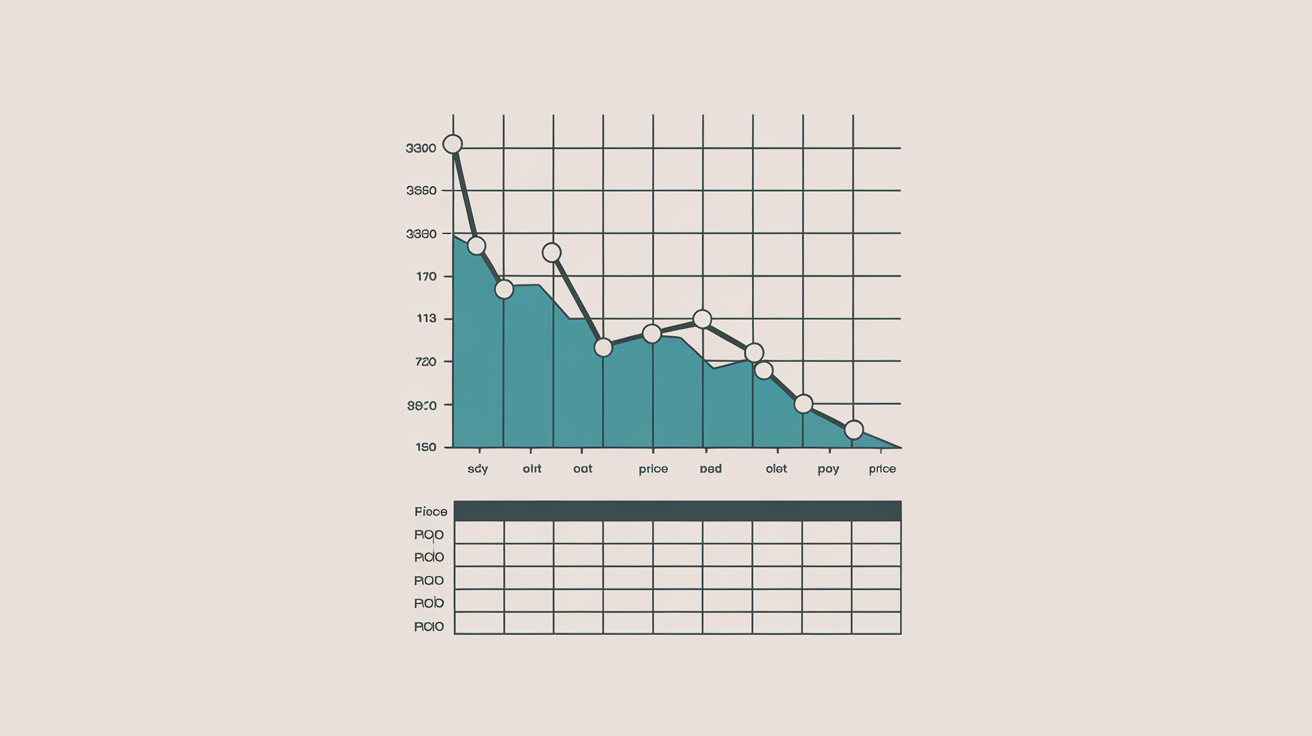
The supply curve graphically shows the relationship between price and quantity supplied. It usually slopes upward from left to right, reflecting the law of supply.
The horizontal axis shows quantity supplied.
The vertical axis shows price.
Points on the curve represent quantities producers are willing to supply at specific prices.
For example, if the price of coffee rises, coffee farmers may supply more beans, moving along the supply curve upward.
Determinants of Supply
Several factors influence supply besides price. These include:
- Production Costs:
Lower costs encourage more supply; higher costs reduce it.
- Technology:
Advances can increase supply by making production more efficient.
- Number of Sellers:
More sellers in the market increase total supply.
- Expectations:
If sellers expect prices to rise later, they might hold back supply now.
- Government Policies:
Taxes, subsidies, or regulations can affect supply levels.
- Prices of Related Goods:
If producing an alternative good becomes more profitable, supply of the current good may decrease.
Shifts in Supply vs. Movement Along Supply Curve
It’s important to distinguish between a movement along the supply curve and a shift of the supply curve.
- Movement Along the Curve:
Caused by a change in the good’s own price. Quantity supplied changes but supply itself remains constant.
- Shift of the Curve:
Caused by changes in non-price factors like technology or input costs. The entire supply curve moves left or right.
For example, if a new technology reduces production costs, the supply curve shifts right, meaning more quantity is supplied at every price.
Supply and Market Equilibrium
Supply interacts with demand to determine market equilibrium — the price and quantity where supply equals demand.
If supply exceeds demand, prices tend to fall.
If demand exceeds supply, prices tend to rise.
Equilibrium ensures the market clears without shortages or surpluses.
Understanding supply helps you predict how changes in costs or policies affect prices and availability.
Real-World Examples of Supply
Consider the smartphone market. If the cost of components drops, manufacturers can produce more phones at lower prices, increasing supply.
Or think about agricultural products. A good harvest increases supply, often lowering prices.
On the other hand, if a government imposes a tax on cigarettes, supply might decrease because producers face higher costs.
Conclusion
Supply in microeconomics is about how much producers are willing to sell at different prices. The law of supply shows a positive relationship between price and quantity supplied.
Factors like production costs, technology, and government policies influence supply. Understanding these helps you grasp market dynamics and make informed financial or business decisions.
What is the law of supply?
The law of supply states that as prices increase, the quantity supplied increases, assuming all other factors remain constant.
What causes a shift in the supply curve?
Changes in production costs, technology, number of sellers, or government policies can shift the supply curve left or right.
How does supply affect market prices?
When supply increases, prices tend to fall if demand stays constant. When supply decreases, prices usually rise.
What is the difference between supply and quantity supplied?
Supply refers to the entire relationship between price and quantity supplied, while quantity supplied is the amount offered at a specific price.
Can supply change without a price change?
Yes, supply can change due to factors like technology or input costs, causing the supply curve to shift even if price remains the same.