What is Learning Curve in Economics?
Understand the learning curve in economics, its impact on productivity, cost reduction, and how businesses leverage it for competitive advantage.
Introduction
When you start a new task, you often get better with practice. This idea is at the heart of the learning curve in economics. It shows how people and companies improve efficiency over time as they gain experience.
Understanding the learning curve helps you see why costs drop and productivity rises as work continues. In this article, we’ll explore what the learning curve means, how it works, and why it matters for businesses and the economy.
What Is the Learning Curve?
The learning curve is a concept that explains how the time or cost to complete a task decreases as you repeat it. In economics, it means that as workers or companies produce more units, they become more efficient.
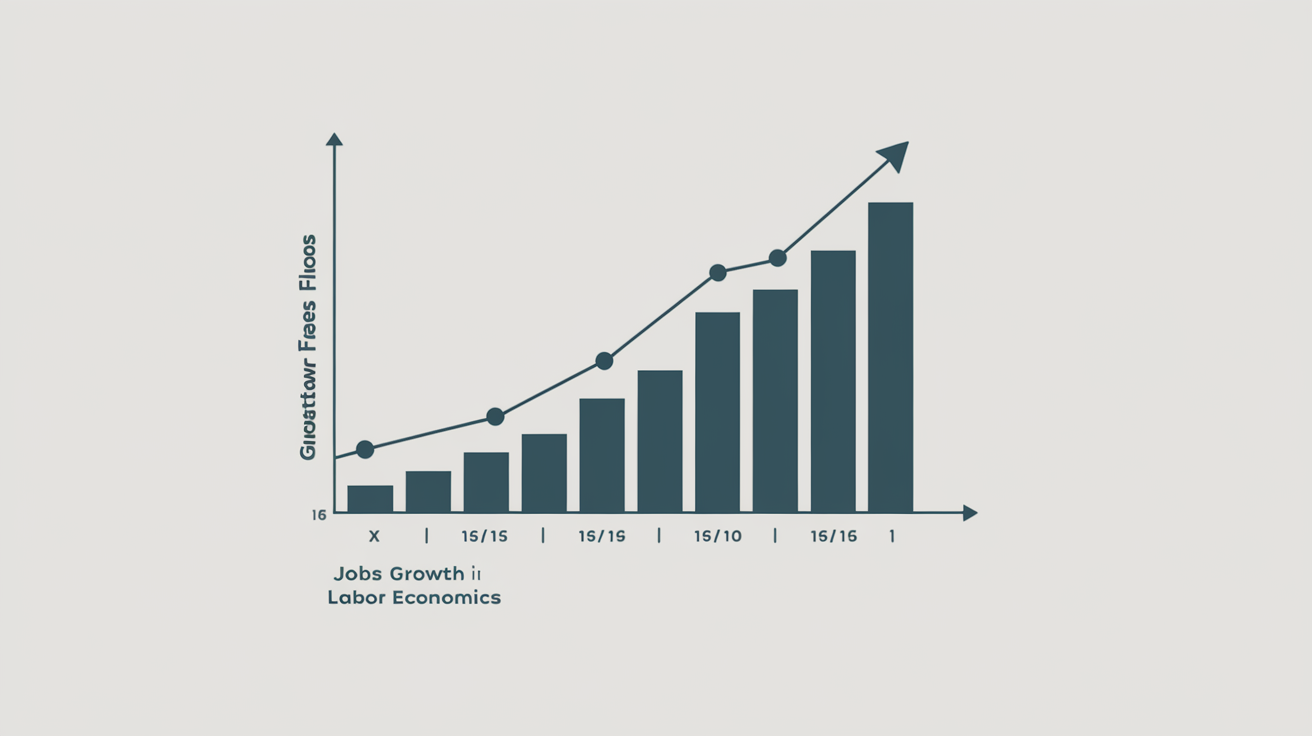
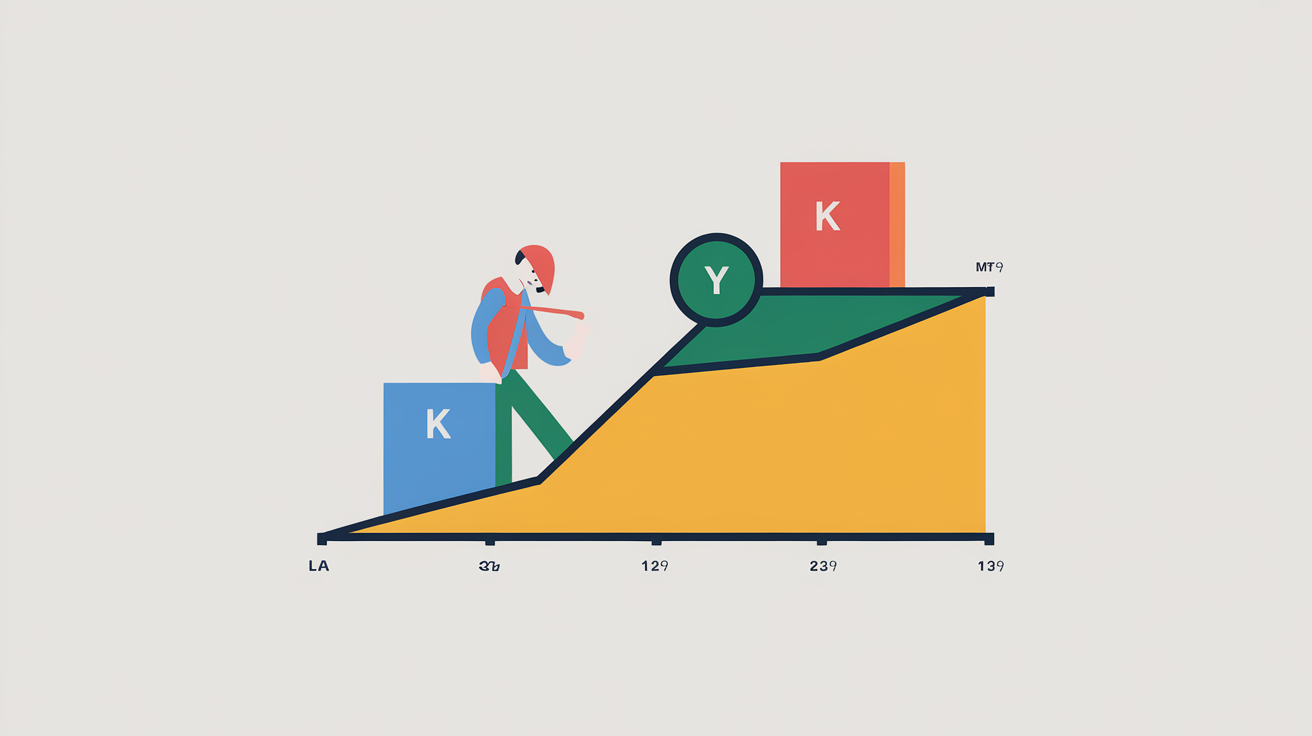
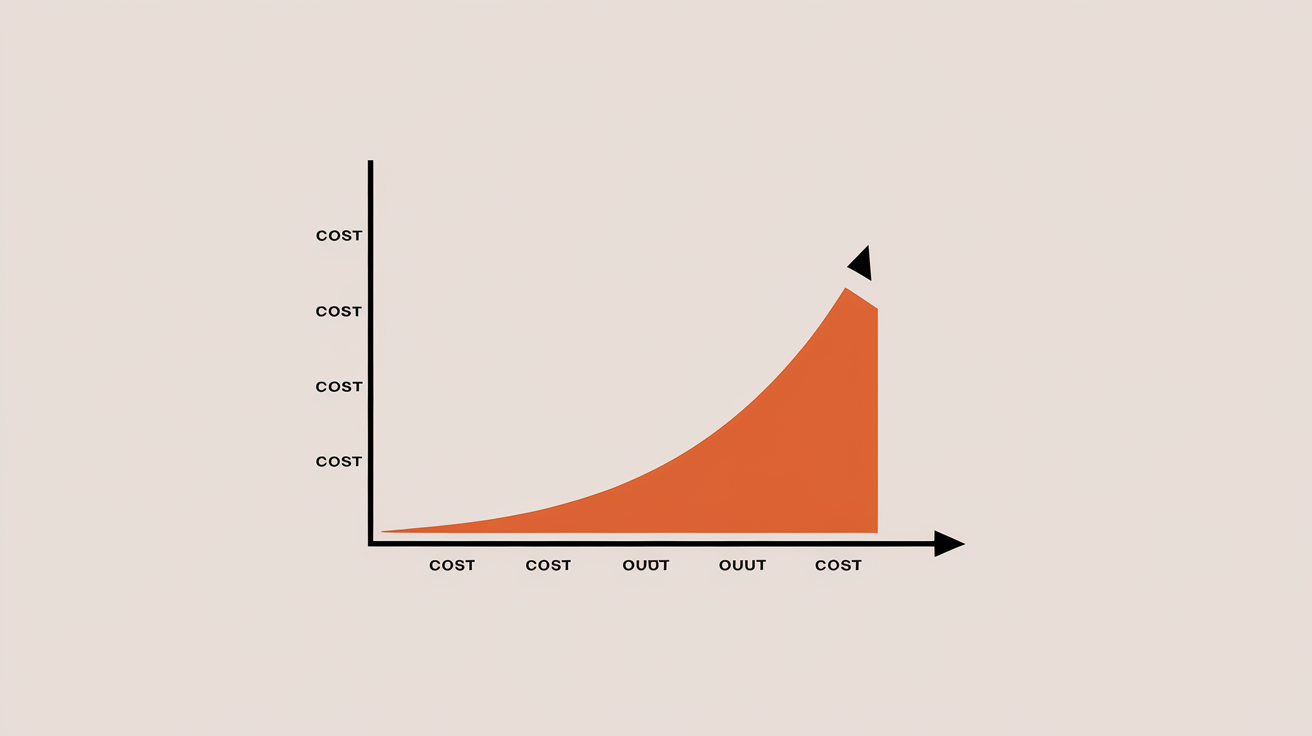
This happens because people learn better methods, avoid mistakes, and speed up processes. The learning curve is often shown as a graph where costs fall as cumulative output grows.
First introduced by Theodore Wright in 1936, originally for airplane manufacturing.
It applies to many industries, from manufacturing to services.
Helps explain why newer companies might have higher costs initially.
How Does the Learning Curve Work?
The learning curve works through repeated practice and experience. Each time a task is done, workers find ways to improve. This might mean faster assembly, less waste, or smarter use of resources.
Economists measure the learning curve using a percentage called the learning rate. For example, an 80% learning rate means every time output doubles, the time or cost to produce a unit falls to 80% of the previous level.
Learning rates vary by industry and task complexity.
Simple tasks may have faster learning rates.
Complex tasks might improve more slowly but still benefit over time.
Examples of Learning Curve in Economics
Many industries show clear learning curves. For example, in car manufacturing, early models take longer and cost more. Over time, workers become skilled, and production speeds up.
Another example is software development. Programmers write code faster and with fewer errors as they gain experience with a project or technology.
Electronics assembly often shows rapid cost reductions with experience.
Construction projects improve timelines as teams repeat similar builds.
Retail businesses reduce training time for new employees after multiple hires.
Why Is the Learning Curve Important for Businesses?
Businesses use the learning curve to plan costs and improve profits. Knowing how quickly costs fall helps companies set prices and compete effectively.
It also guides investment in training and process improvements. Companies that learn faster can gain a competitive edge by offering lower prices or better quality.
Helps forecast future production costs accurately.
Supports decisions on scaling up production or entering new markets.
Encourages continuous improvement and innovation.
Limitations of the Learning Curve
While useful, the learning curve has limits. It assumes conditions stay stable, but changes in technology or materials can affect results.
Also, learning may slow down after a point, reaching a plateau where further improvements are small. External factors like labor turnover or supply issues can disrupt the curve.
Not all tasks improve at the same rate.
External disruptions can reset or slow learning progress.
Overemphasis on cost reduction can hurt quality if not managed carefully.
How to Use the Learning Curve in Your Financial Planning
If you run a business or invest in one, understanding the learning curve can help you make smarter decisions. It shows when costs will drop and profits can rise.
Use it to evaluate new projects, estimate timelines, and budget training expenses. It also helps in negotiating prices and contracts by anticipating cost changes over time.
Analyze historical data to estimate your learning rate.
Plan gradual scaling to benefit from cost reductions.
Invest in employee training to speed up learning.
Conclusion
The learning curve in economics explains how experience leads to better efficiency and lower costs. It is a powerful tool for businesses to improve performance and plan growth.
By understanding this concept, you can anticipate changes in costs, improve productivity, and gain a competitive advantage. Whether you’re managing a company or investing, the learning curve offers valuable insights into economic progress.
What is the learning curve in simple terms?
The learning curve shows how people or companies get better and faster at a task as they do it more often, reducing time and cost.
How does the learning curve affect production costs?
As production increases, workers learn to do tasks more efficiently, which lowers the cost per unit over time.
What industries benefit most from the learning curve?
Manufacturing, construction, electronics, and software development often see strong benefits from learning curves.
Can the learning curve slow down or stop?
Yes, improvements often slow after a point, reaching a plateau where further gains are minimal.
How can businesses use the learning curve to improve?
Businesses can plan training, improve processes, and forecast costs to gain competitive advantages using the learning curve.