What is Expansion in the Business Cycle?
Understand what expansion in the business cycle means, its phases, and how it impacts the economy and investments.
Introduction
Understanding the business cycle is key to grasping how economies grow and contract over time. One important phase in this cycle is expansion, which signals a period of economic growth and opportunity.
In this article, we’ll explore what expansion means in the business cycle, its characteristics, and why it matters for your financial decisions and investments.
What Is the Business Cycle?
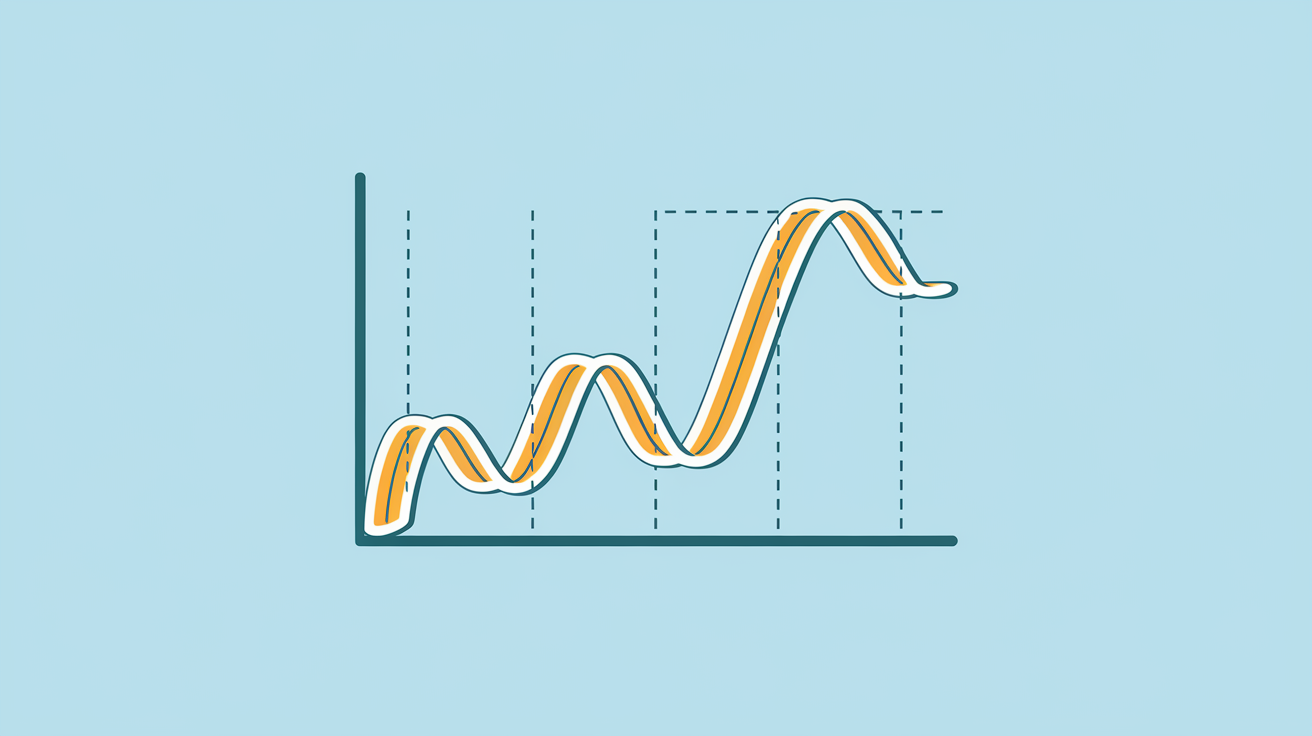
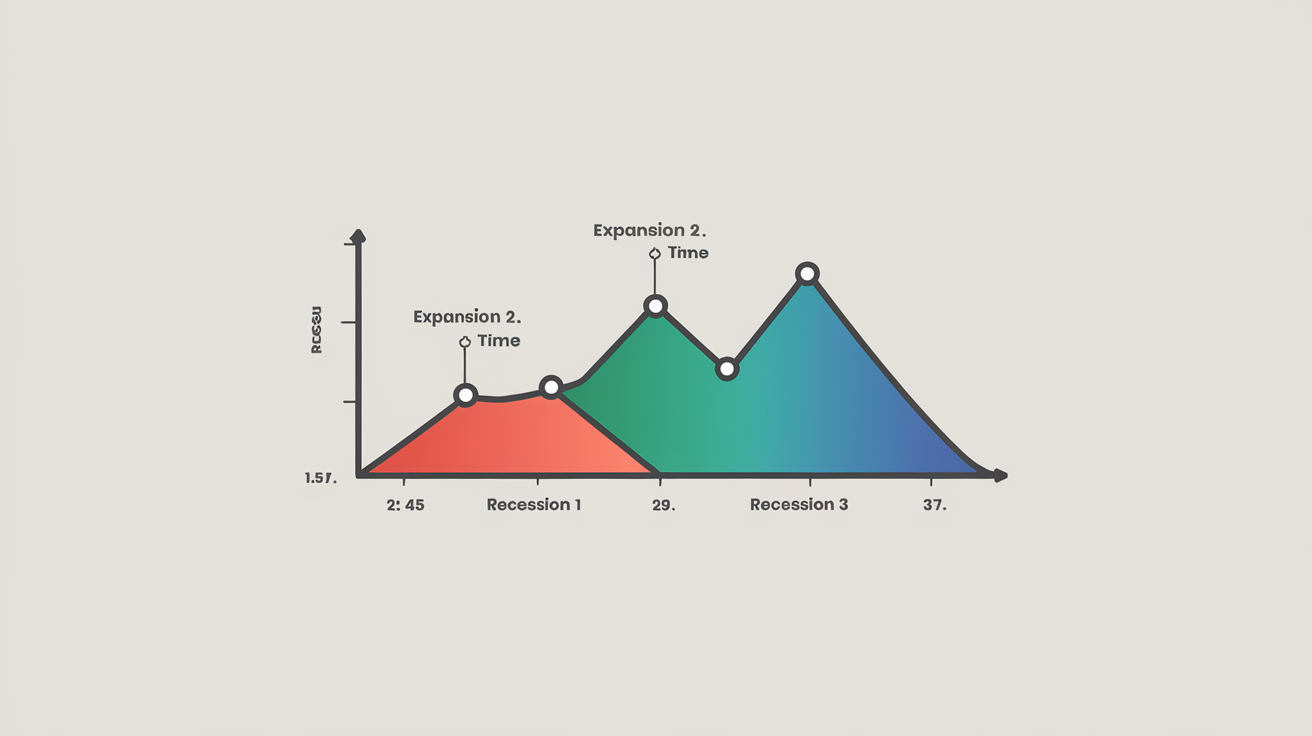
The business cycle refers to the natural rise and fall of economic activity over time. It consists of four main phases: expansion, peak, contraction, and trough.
These phases repeat in a cycle, affecting employment, production, consumer spending, and overall economic health.
- Expansion:
Growth in economic activity.
- Peak:
The highest point before decline.
- Contraction:
A slowdown or recession.
- Trough:
The lowest point before recovery.
What Is Expansion in the Business Cycle?
Expansion is the phase where the economy grows steadily. During this period, businesses increase production, hire more workers, and consumers spend more money.
This growth leads to higher GDP, improved corporate profits, and rising confidence in the market.
Increased employment and job creation.
Higher consumer spending and demand.
Rising industrial production and business investment.
Improved stock market performance.
Key Indicators of Expansion
Several economic indicators help identify when the economy is in expansion:
- Gross Domestic Product (GDP):
Consistent growth over multiple quarters.
- Employment Rates:
Falling unemployment and more job openings.
- Consumer Confidence:
Increased optimism about finances and spending.
- Manufacturing Output:
Higher production levels and orders.
- Retail Sales:
Growth in consumer purchases.
How Expansion Affects Businesses and Investors
During expansion, businesses often see higher sales and profits. This encourages companies to invest in new projects, hire more staff, and expand operations.
For investors, expansion phases usually mean better returns as stock prices rise with improving corporate earnings.
Stocks in cyclical industries like technology, consumer goods, and manufacturing tend to perform well.
Bond yields may rise as interest rates increase to control inflation.
Real estate markets often benefit from increased demand.
Duration and Challenges of Expansion
Expansion phases can last several years but are not permanent. They eventually lead to a peak, followed by contraction.
Challenges during expansion include inflationary pressures and potential overheating of the economy, which central banks monitor closely.
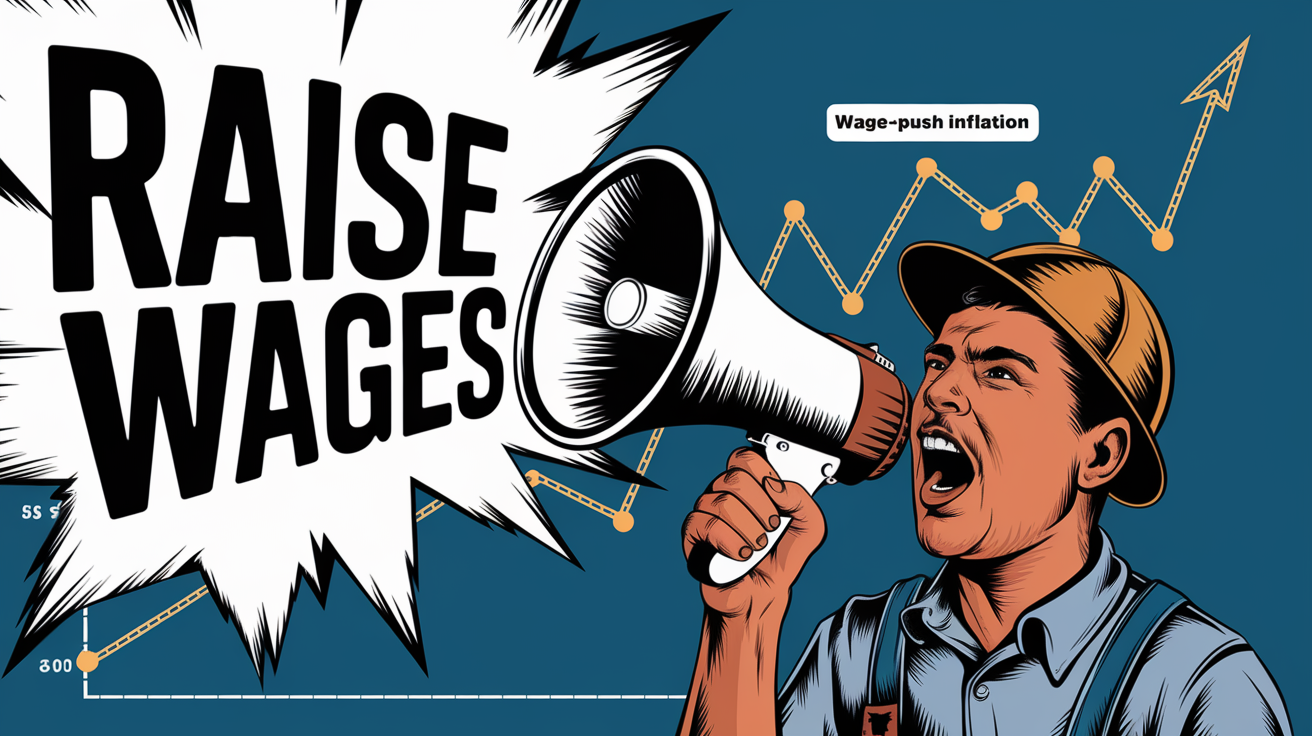
Inflation can rise due to increased demand and wages.
Central banks may raise interest rates to prevent overheating.
Asset bubbles can form if growth is too rapid.
How to Prepare for Expansion in Your Financial Planning
Knowing when the economy is expanding can help you make smarter financial choices.
Consider investing in growth-oriented stocks and sectors benefiting from economic growth.
Review your portfolio to balance risk as markets rise.
Plan for potential interest rate changes by diversifying fixed-income investments.
Use increased income opportunities to save or pay down debt.
Conclusion
Expansion is a vital phase in the business cycle marked by economic growth, rising employment, and increased spending. Recognizing this phase helps you align your investments and financial plans with the broader economy.
By understanding expansion, you can better navigate market opportunities and prepare for future shifts in the cycle.
What is expansion in the business cycle?
Expansion is the phase where the economy grows, marked by rising GDP, employment, and consumer spending.
How long does an expansion phase last?
Expansion phases can last several years but vary depending on economic conditions and policy responses.
What indicators show an economy is expanding?
Key indicators include rising GDP, lower unemployment, increased consumer confidence, and higher manufacturing output.
How does expansion affect investments?
During expansion, stocks often perform well, especially in growth sectors, while bond yields may rise due to interest rate changes.
What risks come with economic expansion?
Risks include inflation, higher interest rates, and potential asset bubbles if growth becomes too rapid.