What is International Chamber of Commerce (ICC)?
Learn what the International Chamber of Commerce (ICC) is, its role in global trade, dispute resolution, and how it supports international business.
Introduction to the International Chamber of Commerce (ICC)
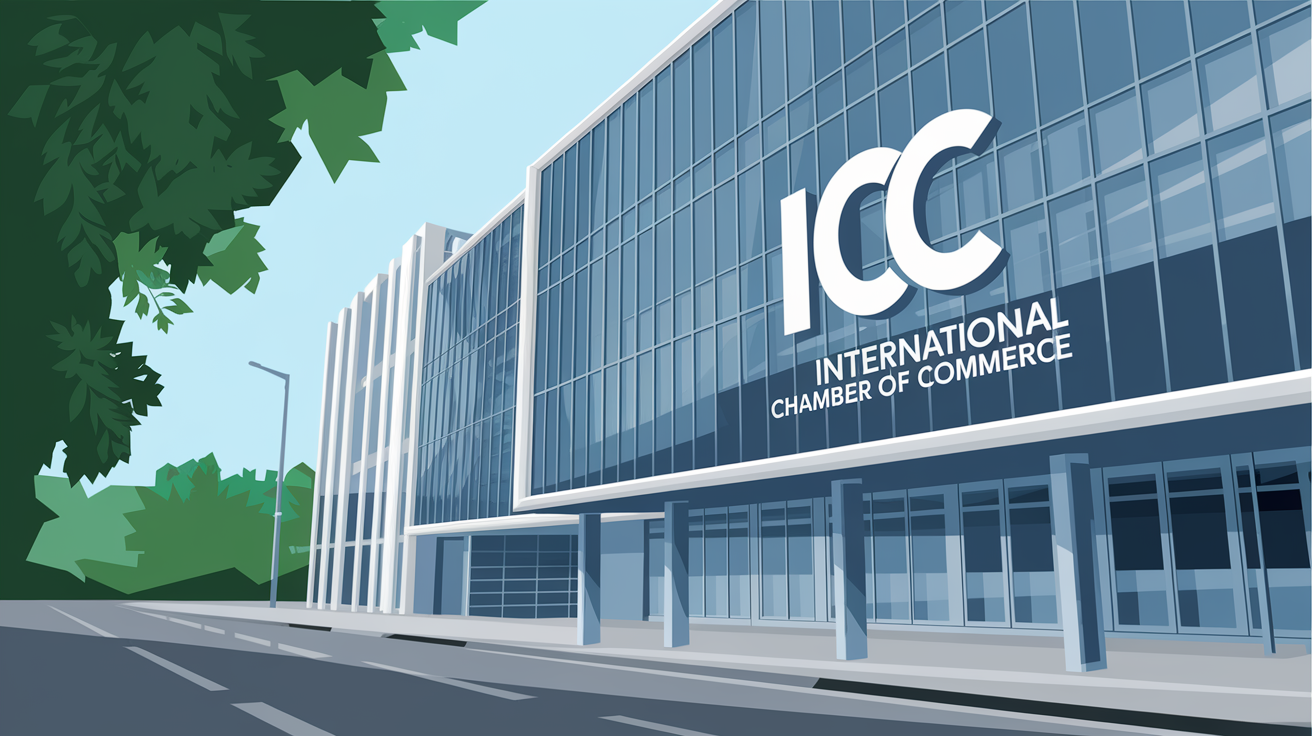
The International Chamber of Commerce, or ICC, plays a vital role in shaping global trade and business practices. If you’re involved in international commerce, understanding the ICC can help you navigate complex trade rules and resolve disputes effectively.
We’ll explore what the ICC is, its main functions, and why it matters for businesses worldwide. This guide will give you clear insights into how the ICC supports smoother and fairer international trade.
What is the International Chamber of Commerce?
The ICC is a global business organization founded in 1919 to promote international trade and investment. It brings together companies, chambers of commerce, and business associations from over 100 countries.
Its mission is to create rules and standards that facilitate cross-border commerce and resolve disputes without lengthy court battles. The ICC acts as a bridge between businesses and governments worldwide.
Headquartered in Paris, France
Represents more than 45 million companies globally
Focuses on trade, investment, and responsible business conduct
Main Functions of the ICC
The ICC’s work covers several key areas that impact international business. These include setting trade rules, offering dispute resolution services, and advocating for open markets.
Setting Trade Rules and Standards
The ICC develops widely accepted rules that simplify international trade. For example, the Incoterms® rules define responsibilities between buyers and sellers in global contracts.
Incoterms® clarify shipping, insurance, and customs duties
Uniform Customs and Practice for Documentary Credits (UCP) standardizes letters of credit
Model contracts help businesses avoid misunderstandings
Dispute Resolution Services
One of the ICC’s most important roles is resolving disputes between international parties. Its International Court of Arbitration offers a neutral and efficient way to settle conflicts.
Arbitration is faster and less costly than traditional courts
Confidential proceedings protect business secrets
Decisions are enforceable in most countries under the New York Convention
Advocacy and Policy Influence
The ICC represents business interests at global forums like the United Nations and World Trade Organization. It promotes policies that encourage free trade and investment.
Supports sustainable and ethical business practices
Engages governments on trade regulations and standards
Encourages digital trade and innovation
Why the ICC Matters for Your Business
Whether you’re a small exporter or a multinational corporation, the ICC’s work impacts your international dealings. Its rules reduce risks and help you understand your rights and obligations.
Using ICC dispute resolution can save time and money if conflicts arise. Plus, the ICC’s advocacy helps create a fairer, more predictable global business environment.
Ensures clarity in contracts and trade terms
Provides trusted mechanisms to solve disputes
Supports compliance with international trade laws
How to Engage with the ICC
Businesses can benefit from ICC resources and services by joining local chambers of commerce affiliated with the ICC or directly accessing its publications and arbitration services.
Participate in ICC training and seminars
Use ICC model contracts and guidelines
Consider ICC arbitration for international disputes
Conclusion
The International Chamber of Commerce is a cornerstone of global trade. It sets the rules, resolves disputes, and advocates for open markets, helping businesses operate smoothly across borders.
Understanding the ICC’s role empowers you to make smarter decisions in international trade. By leveraging its standards and services, you can reduce risks and enhance your global business success.
FAQs about the International Chamber of Commerce (ICC)
What is the primary purpose of the ICC?
The ICC promotes international trade by creating rules, resolving disputes, and advocating for open and fair markets worldwide.
How does ICC arbitration work?
ICC arbitration provides a private, efficient way to settle international business disputes outside courts, with decisions enforceable globally.
What are Incoterms®?
Incoterms® are standardized trade terms published by the ICC that define buyer and seller responsibilities in international shipping.
Can small businesses benefit from the ICC?
Yes, small businesses gain clarity in contracts and access to dispute resolution and trade resources through ICC guidelines and local chambers.
Where is the ICC headquartered?
The ICC is headquartered in Paris, France, and operates globally through national committees and business groups.