What is International Bank of Reconstruction and Development?
Learn what the International Bank for Reconstruction and Development is, its role in global development, and how it supports economic growth worldwide.
Introduction
You might have heard about the International Bank for Reconstruction and Development, or IBRD, but wondered what it really does. We’ll explore how this global institution supports countries in building stronger economies and improving lives.
Your understanding of the IBRD can help you grasp how international finance works to reduce poverty and promote sustainable development worldwide.
What is the International Bank for Reconstruction and Development?
The International Bank for Reconstruction and Development (IBRD) is part of the World Bank Group. It was created to provide loans and financial services to middle-income and creditworthy low-income countries.
Its main goal is to reduce poverty and support development by financing projects that improve infrastructure, education, health, and economic policies.
Founded in 1944 during the Bretton Woods Conference
Focuses on long-term development projects
Operates as a cooperative owned by member countries
How Does the IBRD Work?
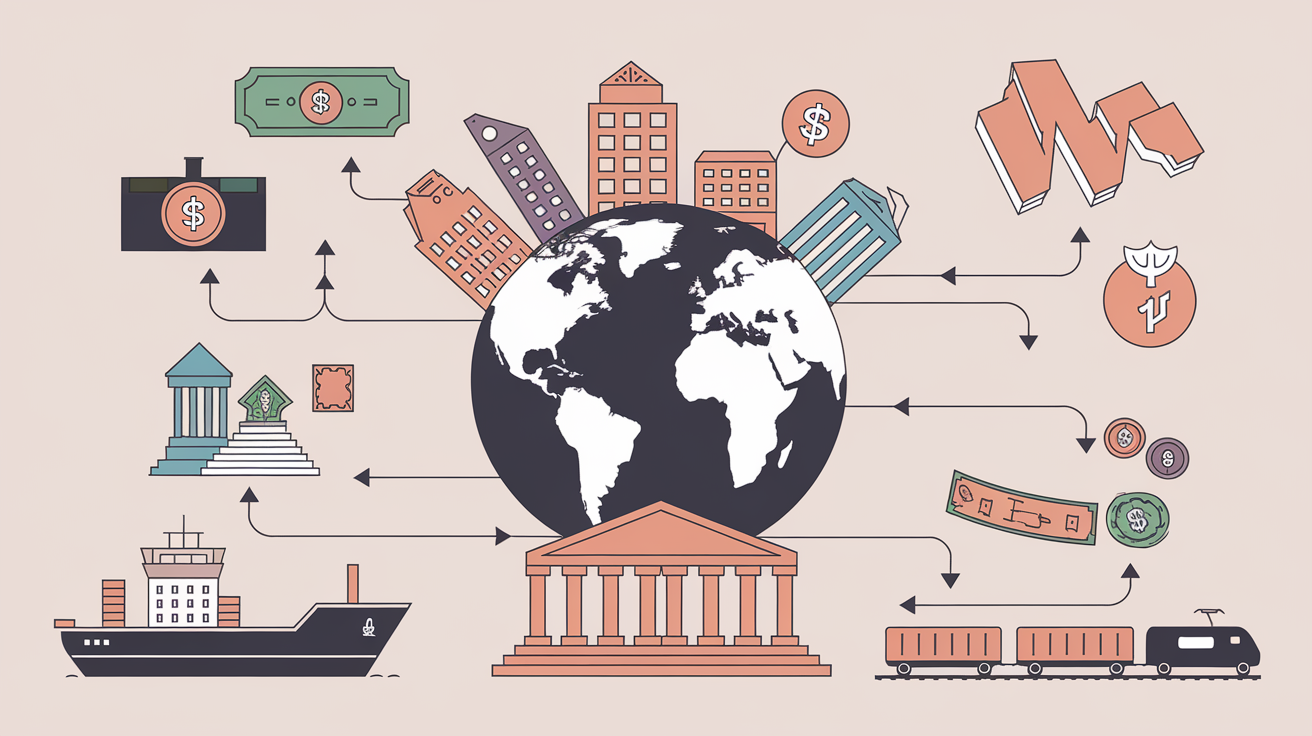
The IBRD raises funds by issuing bonds in international capital markets. It then lends this money to developing countries at competitive rates.
These loans help countries build roads, schools, water systems, and other essential infrastructure.
Provides financial products like loans, guarantees, and risk management tools
Offers policy advice and technical expertise
Supports reforms to improve economic stability and growth
Key Functions of the IBRD
The IBRD plays several important roles in global development:
- Financing Development Projects:
Funds infrastructure, energy, agriculture, and social services projects.
- Promoting Economic Reforms:
Helps countries improve governance, financial systems, and public sector management.
- Risk Management:
Provides guarantees and hedging products to reduce investment risks.
- Knowledge Sharing:
Offers research and advice to guide development policies.
Who Benefits from IBRD Loans?
The IBRD primarily serves middle-income countries and creditworthy low-income countries. These nations may not qualify for concessional loans but still need affordable financing.
Examples include countries investing in urban development, renewable energy, or education reforms.
Countries with stable economic policies
Nations aiming to reduce poverty and boost growth
Governments seeking technical assistance for reforms
Difference Between IBRD and IDA
The IBRD is often confused with the International Development Association (IDA), another World Bank Group member.
While the IBRD lends to middle-income and creditworthy countries, the IDA provides concessional loans and grants to the poorest countries.
- IBRD:
Loans at market-based rates, focuses on creditworthy borrowers
- IDA:
Grants and low-interest loans, targets poorest nations
Examples of IBRD Projects
The IBRD has funded many impactful projects worldwide. Here are some recent examples:
Building clean water systems in Latin America
Supporting renewable energy development in Asia
Improving transportation infrastructure in Africa
Enhancing education and healthcare services globally
How Does the IBRD Impact Global Development?
The IBRD helps countries grow their economies sustainably by providing financing and expertise. This leads to job creation, better public services, and improved living standards.
Its work also supports global efforts to achieve the United Nations Sustainable Development Goals.
Encourages private investment by reducing risks
Promotes environmental sustainability in projects
Strengthens institutions and governance
Conclusion
The International Bank for Reconstruction and Development is a vital institution that helps countries finance development projects and economic reforms. It supports middle-income and creditworthy low-income nations in building a better future.
By understanding the IBRD’s role, you can appreciate how global cooperation and finance work together to reduce poverty and promote sustainable growth worldwide.
What is the main purpose of the IBRD?
The IBRD’s main purpose is to provide loans and financial services to middle-income and creditworthy low-income countries to support development and reduce poverty.
How does the IBRD raise funds?
The IBRD raises funds by issuing bonds in international capital markets, which it then lends to developing countries at competitive rates.
Who are the primary borrowers from the IBRD?
Middle-income countries and creditworthy low-income countries are the primary borrowers that benefit from IBRD loans and financial products.
What is the difference between IBRD and IDA?
The IBRD lends at market rates to creditworthy countries, while the IDA provides concessional loans and grants to the poorest nations.
Can the IBRD provide technical assistance?
Yes, the IBRD offers policy advice, technical expertise, and knowledge sharing to help countries implement effective development strategies.