What is Real Time in Financial Analysis?
Discover what real-time means in financial analysis, its benefits, and how it empowers smarter, faster investment decisions.
Introduction to Real Time in Financial Analysis
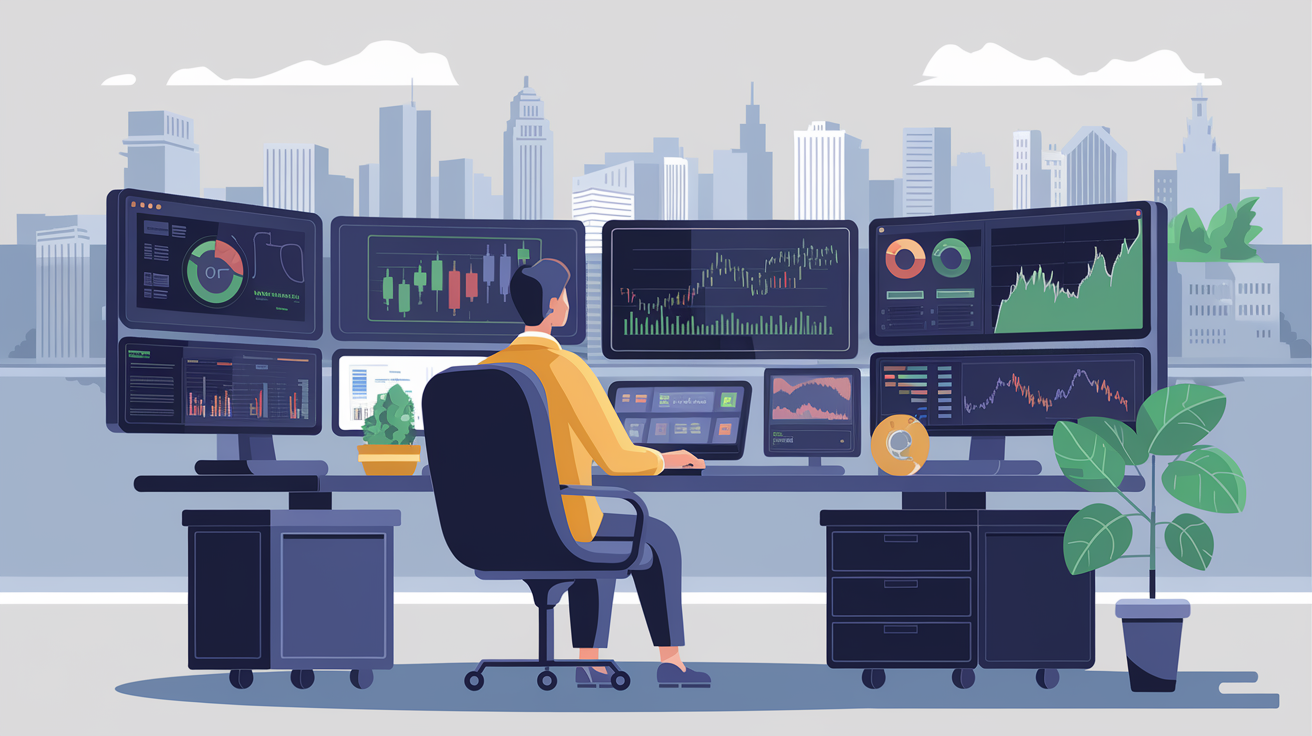
When you hear about real time in financial analysis, it means getting data instantly as events happen. This allows you to make quick, informed decisions without waiting for delayed reports.
We live in a fast-paced market where prices and trends change every second. Real-time analysis helps you stay ahead by providing up-to-the-minute insights into stocks, currencies, and other investments.
What Does Real Time Mean in Finance?
Real time refers to the immediate processing and delivery of financial data. Instead of waiting minutes or hours, you see updated information as soon as it is available.
Stock prices update every second during market hours.
Forex rates reflect current supply and demand instantly.
News feeds and economic indicators appear as they are released.
This instant access is crucial for traders and analysts who rely on timely data to act quickly.
Benefits of Real-Time Financial Analysis
Using real-time data offers several advantages that improve your financial decisions.
- Faster Decision-Making:
You can buy or sell assets immediately based on current market conditions.
- Improved Risk Management:
Spot market changes early and adjust your portfolio to reduce losses.
- Better Market Timing:
Take advantage of short-term price movements and trends.
- Enhanced Transparency:
See the full picture with live data rather than outdated summaries.
How Real-Time Data Is Collected and Used
Financial platforms gather data from exchanges, news agencies, and economic sources. This data is processed by algorithms and displayed on trading software or analysis tools.
Stock exchanges send price updates continuously.
News agencies provide breaking financial news instantly.
Economic reports are released in real time by governments and institutions.
Traders use this data to monitor markets, run technical analysis, and execute trades automatically through algorithms.
Real-Time vs. Delayed Data: What’s the Difference?
Delayed data is information that arrives minutes or even hours after the event. Real-time data is immediate.
- Delayed Data:
Useful for long-term investors but less helpful for active trading.
- Real-Time Data:
Essential for day traders, scalpers, and anyone needing quick responses.
Many free platforms offer delayed data, while real-time data often requires subscriptions or fees.
Applications of Real-Time Financial Analysis
Real-time analysis is used in various areas of finance.
- Stock Trading:
Monitor price changes and volume instantly to decide when to buy or sell.
- Forex Markets:
Track currency fluctuations for quick trades.
- Risk Management:
Detect sudden market shocks and adjust exposure.
- Portfolio Monitoring:
Keep an eye on your investments’ performance throughout the day.
Challenges and Considerations
While real-time data is powerful, it comes with some challenges.
- Cost:
Real-time feeds can be expensive for individual investors.
- Information Overload:
Too much data can be overwhelming without proper tools.
- Latency Issues:
Even milliseconds of delay can affect high-frequency trading.
- Data Accuracy:
Errors or glitches in feeds can lead to wrong decisions.
How to Use Real-Time Financial Analysis Effectively
To make the most of real-time data, follow these tips:
Choose reliable platforms with proven data accuracy.
Use alerts and filters to focus on relevant information.
Combine real-time data with fundamental analysis for balanced decisions.
Practice disciplined trading to avoid emotional reactions to rapid changes.
Conclusion
Real-time in financial analysis means having instant access to market data as it happens. This empowers you to make faster, smarter investment decisions and manage risks better.
While it requires good tools and discipline, real-time analysis is a key advantage in today’s dynamic markets. By understanding how to use it effectively, you can improve your trading and investing outcomes.
FAQs
What is real-time financial data?
Real-time financial data is information about market prices and events delivered instantly as they occur, allowing immediate analysis and decision-making.
Why is real-time analysis important?
It helps investors and traders react quickly to market changes, reducing risks and capturing opportunities that delayed data might miss.
Can I get real-time data for free?
Some platforms offer limited real-time data for free, but full access usually requires a subscription or payment.
How does real-time data affect trading strategies?
It enables active trading strategies like day trading and scalping, which rely on quick execution based on current market conditions.
What are the risks of using real-time data?
Risks include data errors, information overload, and costly subscriptions. Proper tools and discipline are essential to manage these risks.