What Is Fiscal Year End in Accounting & Economics
Understand what fiscal year end means in accounting and economics, its importance, and how it impacts financial reporting and business decisions.

Introduction
Understanding the fiscal year end is crucial for anyone involved in finance or business. It marks the completion of a company’s accounting period and plays a key role in financial reporting and tax planning.
In this article, we’ll explore what a fiscal year end is, why it matters, and how it affects accounting and economic decisions. This knowledge will help you better grasp financial statements and business cycles.
What Is Fiscal Year End?
The fiscal year end is the last day of a company’s accounting period. Unlike the calendar year, which ends on December 31, a fiscal year can end on any date chosen by the business.
This date determines when a company closes its books, prepares financial statements, and reports earnings. It is essential for consistent record-keeping and regulatory compliance.
Common fiscal year ends include March 31, June 30, September 30, and December 31.
Companies select a fiscal year end that aligns with their business cycle or industry practices.
The fiscal year end impacts tax filing deadlines and financial audits.
Why Do Companies Choose Different Fiscal Year Ends?
Businesses pick fiscal year ends based on operational and strategic reasons. The choice can reflect seasonal sales patterns, industry standards, or tax considerations.
- Seasonality:
Retailers often end their fiscal year after the holiday season to capture peak sales.
- Industry Norms:
Some sectors, like agriculture or education, follow fiscal years that match their activity cycles.
- Tax Planning:
Companies may select a fiscal year end to optimize tax payments or defer income.
Fiscal Year End in Accounting
In accounting, the fiscal year end is critical for closing books and preparing financial reports. It ensures all transactions for the period are recorded and financial statements reflect accurate data.
Accountants perform several tasks at fiscal year end:
Reconcile accounts and adjust entries.
Calculate depreciation and amortization.
Prepare income statements, balance sheets, and cash flow statements.
Ensure compliance with accounting standards and regulations.
Fiscal Year End in Economics
From an economic perspective, the fiscal year end helps analyze business cycles and economic performance. Governments and organizations use fiscal years to plan budgets and assess economic health.
National governments often have fiscal years different from the calendar year to align with budget cycles.
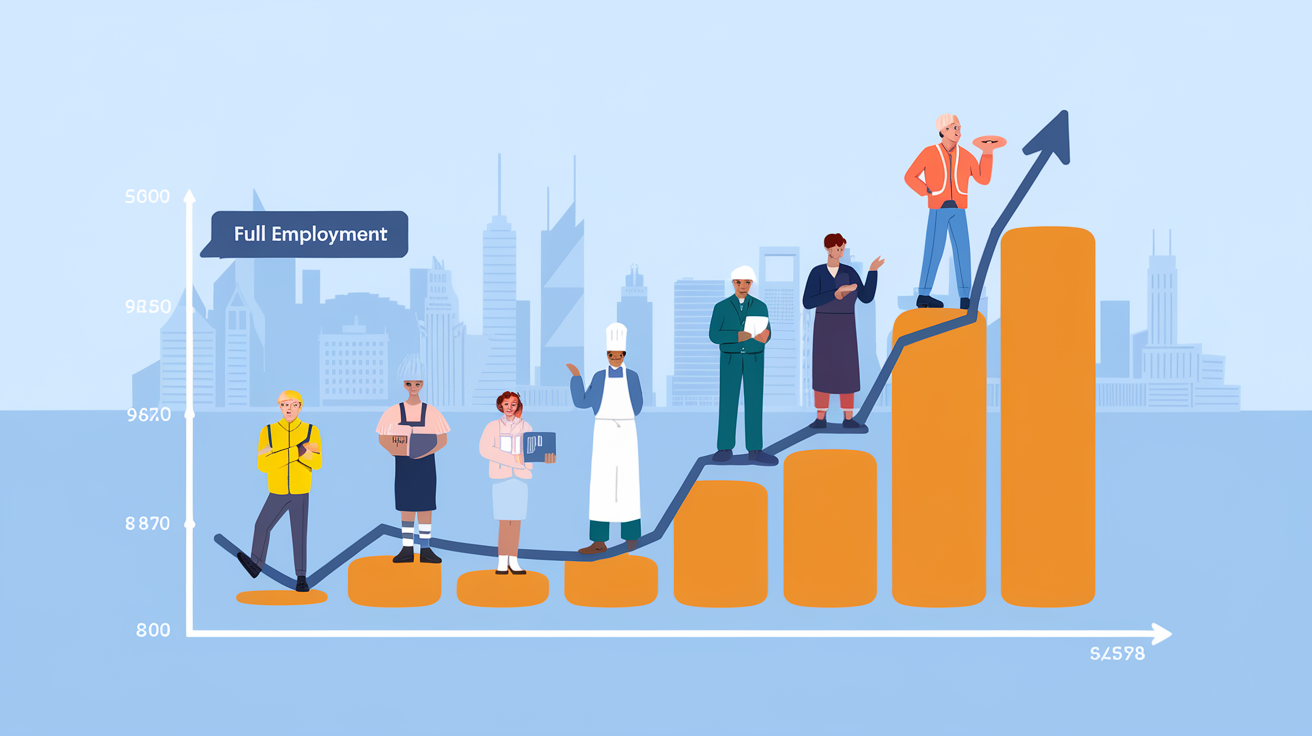
Economic data, such as GDP and employment figures, may be reported based on fiscal years.
Understanding fiscal year ends aids in comparing financial data across companies and countries.
How Fiscal Year End Affects Investors and Stakeholders
Investors rely on fiscal year end reports to evaluate a company’s financial health and performance. The timing of fiscal year end can influence investment decisions and stock valuations.
Annual reports and audited financial statements are prepared after the fiscal year end.
Comparing companies with different fiscal year ends requires adjusting for timing differences.
Fiscal year end disclosures provide transparency and build investor confidence.
Changing the Fiscal Year End
Companies can change their fiscal year end, but this requires regulatory approval and careful planning. Reasons for change include mergers, acquisitions, or aligning with parent companies.
Changing fiscal year end may affect tax filings and reporting schedules.
It can complicate financial comparisons for the transition period.
Regulators often require detailed explanations and documentation for changes.
Conclusion
The fiscal year end is a fundamental concept in accounting and economics. It marks the close of an accounting period and influences financial reporting, tax planning, and economic analysis.
By understanding fiscal year ends, you can better interpret financial statements, assess business performance, and make informed investment decisions. Whether you’re a business owner, investor, or student, this knowledge is essential for navigating the financial world.
What is the difference between fiscal year end and calendar year end?
The calendar year end is December 31, while the fiscal year end can be any date a company chooses to close its accounting period, often to match business cycles.
Can a company change its fiscal year end?
Yes, companies can change their fiscal year end, but they must follow regulatory procedures and consider tax and reporting implications.
Why do some companies have fiscal years that don’t align with the calendar year?
Companies choose fiscal years based on seasonality, industry practices, or tax planning to better reflect their financial performance.
How does fiscal year end affect tax filing?
The fiscal year end determines the tax reporting period and deadlines, impacting when taxes are calculated and paid.
Do governments use fiscal years different from calendar years?
Yes, many governments have fiscal years that differ from the calendar year to align with budget cycles and economic planning.