What is RFM (Recency, Frequency, Monetary Value)?
Learn what RFM (Recency, Frequency, Monetary Value) analysis is and how it helps businesses target customers effectively for better marketing results.
Introduction to RFM Analysis
If you want to understand your customers better and improve your marketing strategies, RFM analysis is a powerful tool. It helps you segment customers based on their purchasing behavior, making your campaigns more effective.
In this article, we will explore what RFM stands for, how it works, and why it matters for your business growth.
What Does RFM Mean?
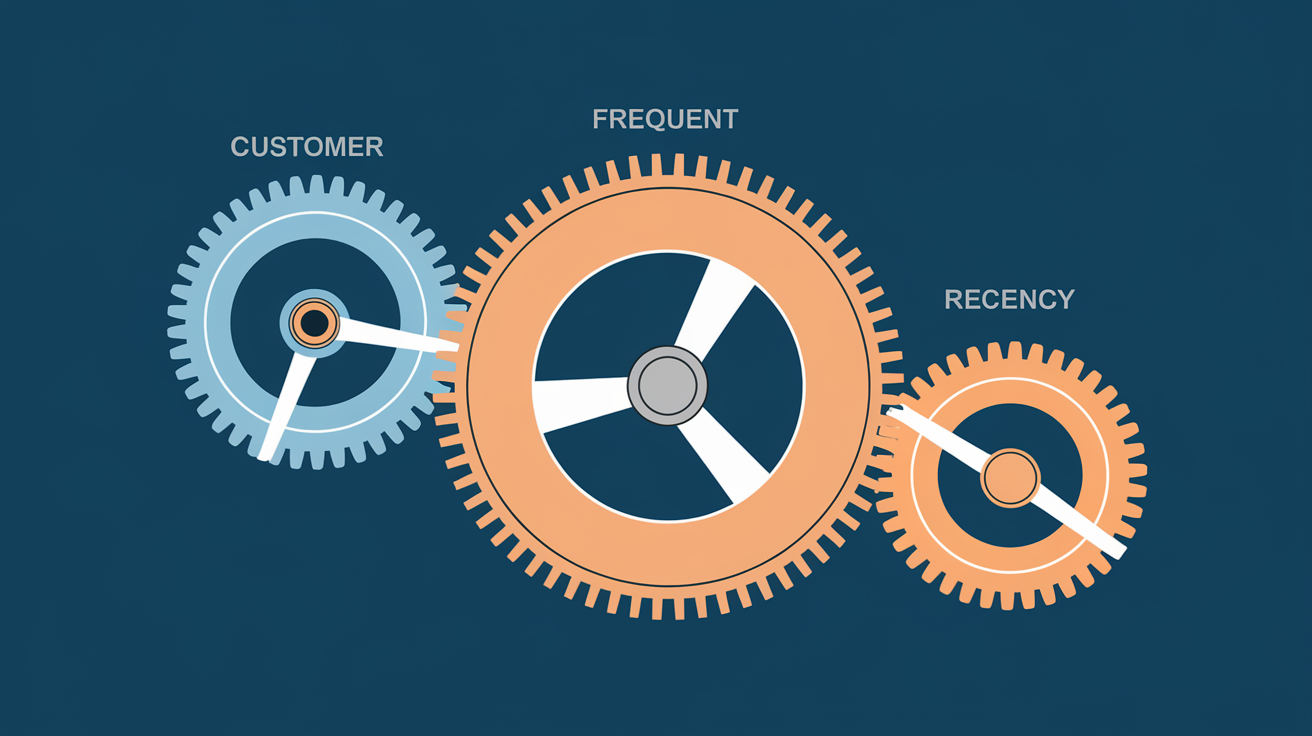
RFM stands for Recency, Frequency, and Monetary value. These three factors help businesses analyze customer behavior by looking at:
- Recency:
How recently a customer made a purchase.
- Frequency:
How often a customer buys from you.
- Monetary Value:
How much money a customer spends.
By combining these three metrics, you can identify your best customers and tailor your marketing efforts accordingly.
Understanding Each Component
Recency
Recency measures the time since a customer's last purchase. Customers who bought recently are more likely to respond to new offers. For example, someone who bought last week is more engaged than someone who bought a year ago.
Frequency
Frequency counts how many times a customer has purchased within a specific period. Frequent buyers show loyalty and higher engagement, making them valuable for retention campaigns.
Monetary Value
Monetary value looks at how much money a customer spends. High spenders contribute more to revenue and are often prioritized for premium offers or exclusive deals.
How RFM Analysis Works
RFM analysis scores customers on each factor, usually on a scale from 1 to 5, with 5 being the best. For example:
A customer who bought yesterday gets a 5 in Recency.
A customer who buys monthly scores 5 in Frequency.
A customer who spends the most gets a 5 in Monetary value.
These scores combine into an RFM score (e.g., 5-4-3), which helps segment customers into groups like "Champions," "Loyal Customers," or "At Risk." This segmentation guides targeted marketing.
Benefits of Using RFM Analysis
- Improved Customer Segmentation:
Identify your best customers and tailor messages.
- Increased Marketing ROI:
Focus resources on high-value customers.
- Better Customer Retention:
Recognize loyal customers and reward them.
- Personalized Campaigns:
Send relevant offers based on buying behavior.
- Data-Driven Decisions:
Use clear metrics to guide marketing strategies.
Practical Applications of RFM
Businesses across industries use RFM for:
- Email Marketing:
Sending targeted promotions to active customers.
- Customer Loyalty Programs:
Rewarding frequent and high-spending buyers.
- Churn Prevention:
Identifying customers who haven’t purchased recently to re-engage them.
- Product Recommendations:
Suggesting products based on purchase frequency and value.
Limitations of RFM Analysis
While RFM is useful, it has some limitations:
It doesn’t consider customer demographics or preferences.
It ignores qualitative factors like customer satisfaction.
It may not capture seasonal buying patterns effectively.
It requires clean and updated transaction data to be accurate.
Combining RFM with other analytics tools can provide a fuller customer picture.
How to Implement RFM Analysis
To start using RFM, follow these steps:
Collect transaction data including purchase dates, amounts, and customer IDs.
Calculate Recency by measuring days since last purchase.
Count Frequency as the number of purchases in a set period.
Sum Monetary value as total spending in that period.
Assign scores for each metric, then combine into an RFM score.
Segment customers based on scores and design targeted marketing campaigns.
Conclusion
RFM analysis is a straightforward and effective way to understand customer behavior. By focusing on Recency, Frequency, and Monetary value, you can identify your most valuable customers and engage them with personalized marketing.
Using RFM helps improve customer retention, increase sales, and optimize marketing budgets. If you want to grow your business smartly, RFM is a tool worth mastering.
FAQs
What industries benefit most from RFM analysis?
Retail, e-commerce, and subscription services benefit greatly, as they rely on repeat purchases and customer loyalty to drive revenue.
Can RFM analysis predict future customer behavior?
RFM helps identify current customer value but should be combined with other models for accurate future behavior predictions.
Is RFM analysis suitable for new businesses?
New businesses with limited data may find RFM less effective initially but can use it as transaction data grows.
How often should RFM analysis be updated?
Updating RFM scores quarterly or monthly ensures your customer segments reflect recent buying behavior.
Can RFM be used alongside other marketing tools?
Yes, combining RFM with CRM systems and predictive analytics enhances customer insights and campaign effectiveness.