What Is Engel’s Law in Economics?
Understand Engel's Law in economics, its impact on consumer spending, and how it shapes household budgets and economic growth.
Introduction to Engel’s Law
Have you ever wondered how people change their spending habits as their income grows? Engel’s Law helps explain this important economic behavior. It shows how families adjust their budgets, especially on food, when their earnings increase.
In this article, we’ll explore what Engel’s Law is, why it matters, and how it influences both personal finance and broader economic trends. Understanding this law can help you make smarter financial decisions and better grasp consumer behavior.
What Is Engel’s Law?
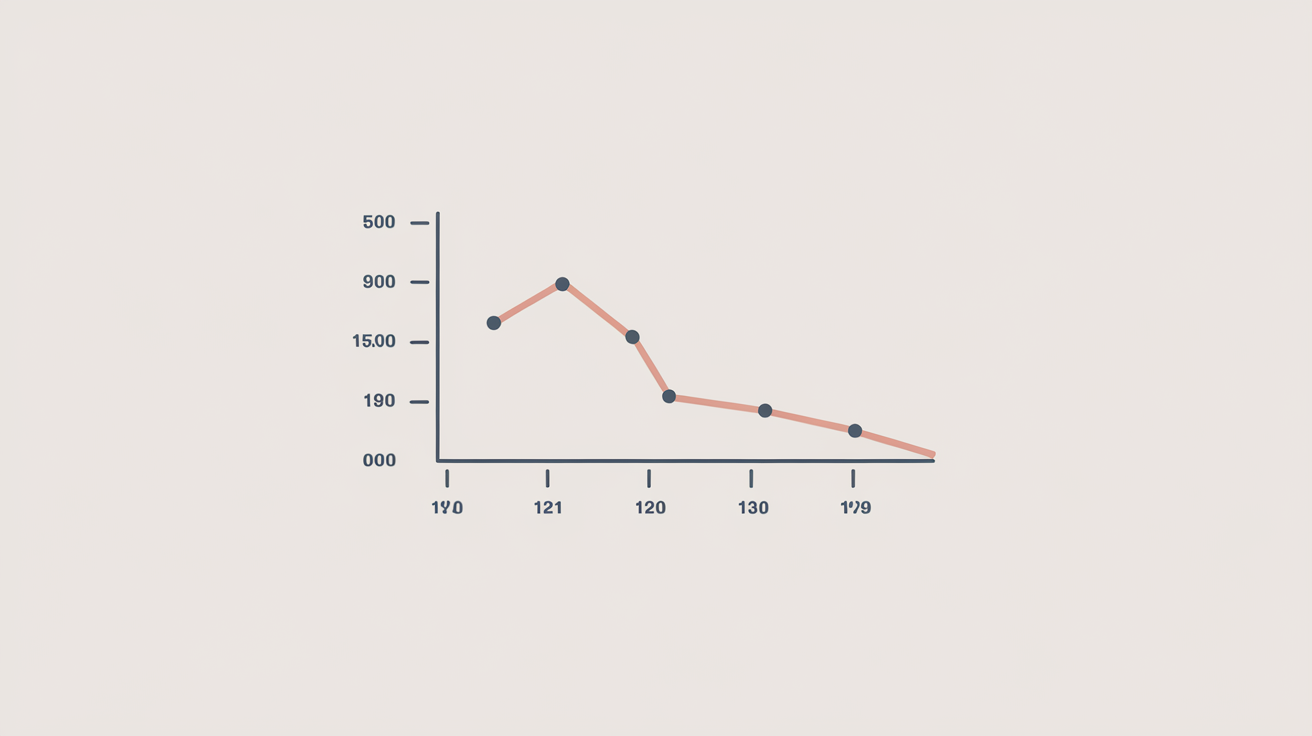
Engel’s Law is an economic principle that states as a household’s income rises, the proportion of income spent on food decreases, even if the actual spending on food increases. This means people spend a smaller share of their money on basic necessities as they become wealthier.
For example, a family earning $20,000 a year might spend 40% of their income on food. If their income rises to $50,000, they might spend $15,000 on food, but this is only 30% of their income. This shift reflects changing priorities and consumption patterns.
Origin of Engel’s Law
The law is named after Ernst Engel, a 19th-century German statistician who first observed this pattern in 1857. He analyzed household budgets and found a consistent relationship between income and food expenditure across different income groups.
Why Engel’s Law Matters in Economics
Engel’s Law helps economists and policymakers understand how consumer spending changes with income growth. It reveals:
How demand for basic goods shifts as people get richer.
Why economic growth often leads to more spending on non-food items like education, entertainment, and healthcare.
Insights into poverty and living standards by analyzing food expenditure shares.
This law is a key tool for studying economic development and planning social welfare programs.
Applications of Engel’s Law
Household Budgeting
Knowing Engel’s Law can help you manage your finances better. As your income grows, you might naturally spend less proportionally on food and more on savings, investments, or leisure activities.
Market and Business Strategy
Businesses use Engel’s Law to predict changes in consumer demand. For instance, food companies might expect slower growth in sales as incomes rise, while luxury goods markets may expand.
Government Policy and Poverty Measurement
Governments use Engel’s Law to assess poverty levels by looking at food expenditure shares. Higher food spending shares often indicate lower income and can guide targeted aid programs.
Limitations of Engel’s Law
While Engel’s Law is useful, it has some limits:
It mainly applies to food and basic necessities, not luxury goods.
It assumes consistent preferences across cultures, which may vary.
Changes in food prices or availability can affect spending patterns.
Still, it remains a foundational concept in understanding consumer behavior.
Examples of Engel’s Law in Real Life
Consider a rural family in a developing country earning $5,000 annually. They might spend 50% of their income on food. As they move to a city and earn $20,000, their food spending might rise in absolute terms but drop to 25% of income.
In developed countries, food spending often accounts for less than 15% of income, showing how Engel’s Law plays out across different economic stages.
How Engel’s Law Influences Economic Growth
Engel’s Law explains why economies shift from agriculture-based to service-based as incomes rise. People spend less proportionally on food and more on education, healthcare, and entertainment, driving growth in these sectors.
This shift supports diversification and innovation, which are vital for long-term economic development.
Conclusion
Engel’s Law offers a simple but powerful insight into how income changes affect spending habits. It shows that as people earn more, they spend a smaller share on food, freeing up money for other needs and wants.
Understanding this law helps you see the bigger picture of economic growth and consumer behavior. Whether you’re managing your budget or studying markets, Engel’s Law is a valuable concept to keep in mind.
FAQs about Engel’s Law
What does Engel’s Law tell us about food spending?
It tells us that as income rises, the percentage of income spent on food decreases, even if actual food spending increases.
Who discovered Engel’s Law?
Ernst Engel, a German statistician, discovered this law in 1857 by studying household budgets.
How is Engel’s Law useful for businesses?
Businesses use it to predict changes in consumer demand, especially for food and luxury goods, as incomes change.
Can Engel’s Law apply to goods other than food?
It mainly applies to basic necessities like food, but similar principles can sometimes apply to other essential goods.
How does Engel’s Law relate to poverty measurement?
Higher food expenditure shares often indicate lower income, helping governments identify and assist poor households.